
Comparing the two paths: factory-first vs. traditional procurement
Most big battery rollouts split into two camps: go through layers of distributors and integrators, or partner straight with the factory. I’ve seen both play out on real projects—and the factory path consistently trims time and surprises. Early on, when we scoped a BESS deployment, direct feedback from a Shenzhen line cut lead time by months versus the distributor route. That hands-on alignment is why builders increasingly specify commercial energy storage systems from vendors who open their production floor to project teams. The comparison isn’t theoretical: systems like the Hornsdale Power Reserve showed how tight integration can move performance from promise to practice on a grid-scale project.

What direct factory collaboration actually delivers
Three measurable wins surface quickly: speed, predictable quality, and seamless integration. Factories let you lock down BOM changes, firmware builds, and inverter pairing early. That reduces rework and keeps state of charge (SoC) strategies aligned with control software. You get consistent cycle life claims because the same production line repeats validated processes. Operational testing on the factory floor—environmental chambers, thermal checks—catches issues that are costly in the field.
There’s a human side too: direct conversations with engineers shorten decision loops. You iterate on thermal management and cell matching together, instead of sending spec sheets back and forth for weeks—small details that prevent thermal runaway later. —And yes, that early friction reduction translates into lower installation hours and faster commissioning.
Where the trade-offs hide
Direct factory work isn’t a silver bullet. You trade the breadth of a distributor’s spare-part network for depth at a single vendor. If that factory has capacity constraints or unproven logistics, your schedule still slips. Certification timelines—UL, IEC—can become blockers if the factory hasn’t built a compliant baseline. You’ll need to confirm warranty terms, handling protocols, and spare inventories upfront. For many buyers of commercial and industrial energy storage, combining a factory relationship with a logistics partner often balances speed with resilience.
How to evaluate partners — three golden rules
Use these concrete metrics when choosing a factory partner: – Throughput and lead-time transparency: get data on manufacturing cycle times and recent delivery records, not just a promise. – On-site testing capability: insist on witnessing environmental, soak, and commissioning tests; sample units should pass the same procedures you require for field deployment. – Integration alignment: validate firmware and inverter interoperability with live demos or joint lab sessions that prove SoC control, grid services, and safety behaviors under fault conditions.

Closing assessment and next steps
Pick partners that score well on those three rules and you’ll measurably reduce schedule risk, field failures, and cost creep. The outcome professionals should expect: shorter procurement cycles, fewer installation surprises, and clearer handoffs between factory QA and site commissioning. I’ve seen teams move from months of delays to predictable milestones when they made the switch.
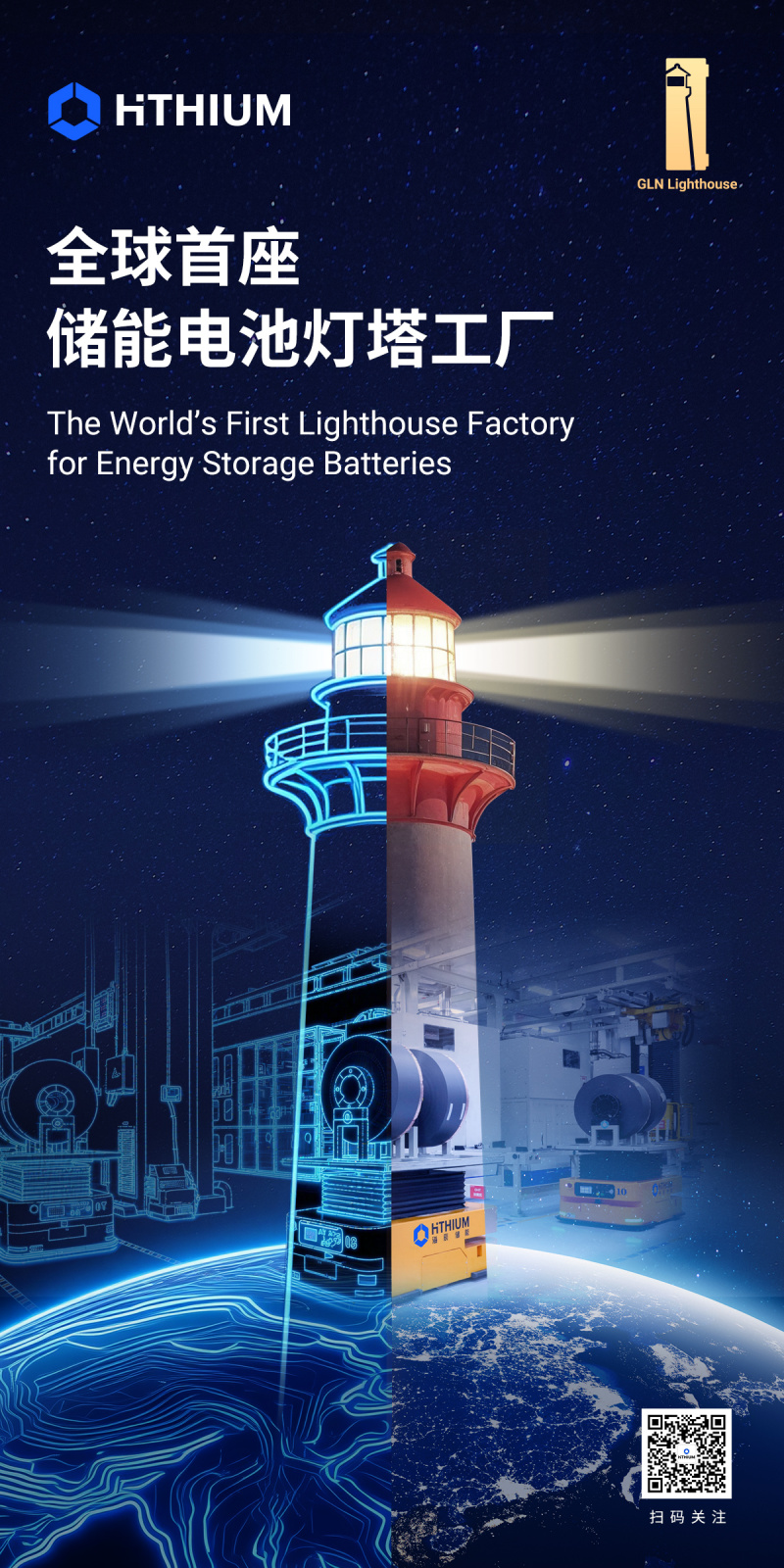
HiTHIUM fits that model—factory-aligned, test-forward, and focused on real-world deployable systems. Trust the process. —