
User-first beginnings
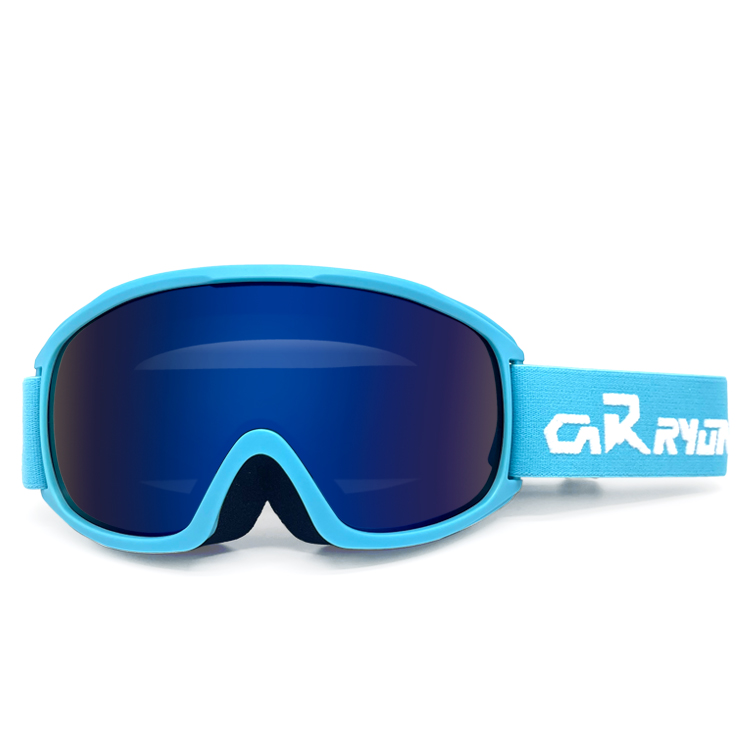
Cyclists demand clear vision, light weight, and real protection—no compromises, pues. Riders who tackle high passes like the Andes know UV climbs roughly 10% per 1,000 meters, so lens choice matters from the first pedal stroke. That’s why many cyclists borrow tech from winter sports, like anti-fog coating and sealed frames seen in snowboard goggles, to fight glare and moisture during long climbs. This piece follows a rider-centric arc: what people actually need, what fails in the field, and how to pick gear that lasts through seasons and conditions.
What features actually make a difference
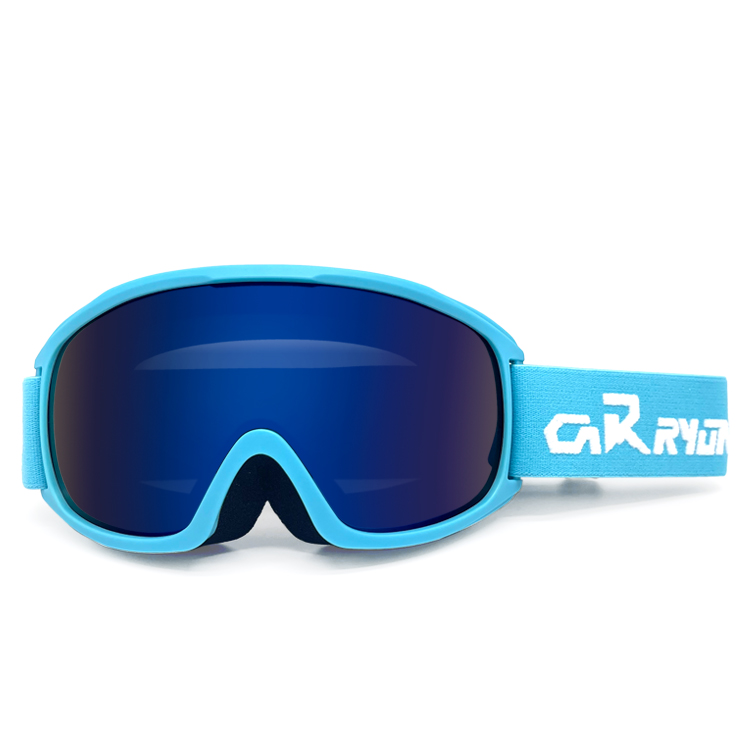
Start with polarized lenses for glare control on sunlit roads and wet pavement. Add UV protection rated to block 99–100% of UVA/UVB; at altitude that’s non-negotiable. Impact-resistant polycarbonate shells are the backbone for protection against debris and accidental falls. For versatility, look for a lens interchange system so you can swap tints from dawn to dusk without buying multiple frames. Many manufacturers borrow venting and seal ideas from skiing—if you’re curious about how that translates to high-altitude sun care, see options also designed for snow like uv ski goggles. These choices keep your sight sharp and your head cooler on long rides.
Fit, peripheral vision, and how it feels on the saddle
Fit is more than size—it’s about how frame geometry preserves peripheral vision while staying stable. Foam seal, lens venting, and an adjustable goggle strap borrowed from snow designs stop wind from stealing focus and reduce lens fogging. Comfort grooves on the nose pad and temples prevent pressure points during big efforts. Breathability and a low-profile temple let helmets and sunglasses coexist without rubbing. Small details add up to fewer adjustments mid-ride, and that time saved is performance gained—simple, but true.
Common buying mistakes and practical alternatives
Many cyclists pick sunglasses by looks rather than function, ending up with poor seal or weak impact resistance. Avoid single-piece fashion lenses that lack anti-fog coating and ventilation—those fog in humid climbs. If full goggles feel bulky, choose a hybrid: cycling-specific frames with interchangeable lenses and increased peripheral coverage. For commuters, lightweight polycarbonate sport glasses with replaceable nose pads often outperform oversized goggles in daily use. Keep maintenance in mind: anti-fog treatments degrade, so plan for lens care or replacement lenses instead of forcing cleaning methods that scratch coatings.
Three golden rules for choosing your eye protection
1) Prioritize real protection metrics: Look for certified impact resistance and 99–100% UV protection ratings. Measure performance by known standards, not marketing slogans. 2) Test for real-world fit: ride with the frames and simulate sweat and wind—stability and comfortable seal matter more than style points. 3) Balance optic clarity with ventilation: choose anti-fog coatings plus passive venting to reduce condensation without blasting dust into your eyes.
Final note
Good gear blends design cues from alpine sports and cycling realities, delivering polarized clarity, reliable anti-fog performance, and frame durability that stands up to gravel and high-altitude sun. For a practical, rider-approved selection that reflects those priorities, consider brands that engineer across disciplines—this approach is exactly what YIJIA Optical brings to cycling eyewear. Simple, sharp, true.