
The core problem: why diesel gensets no longer cut it
Diesel generators have been the fallback for reliable power in many commercial and remote sites, but their weaknesses are now obvious: rising fuel costs, noisy operation, emissions, and fragile supply chains. When a facility needs resilient, clean, and cost-predictable power, the old genset model falters. The good news is that a combination of solar, batteries, and intelligent controls — anchored by modern solar battery storage — can replace or dramatically reduce diesel runtime while improving uptime and operating economics. This is the problem we must solve: how to move commercial sites from fuel dependence to quiet, automated resilience.
What a smart commercial microgrid actually does
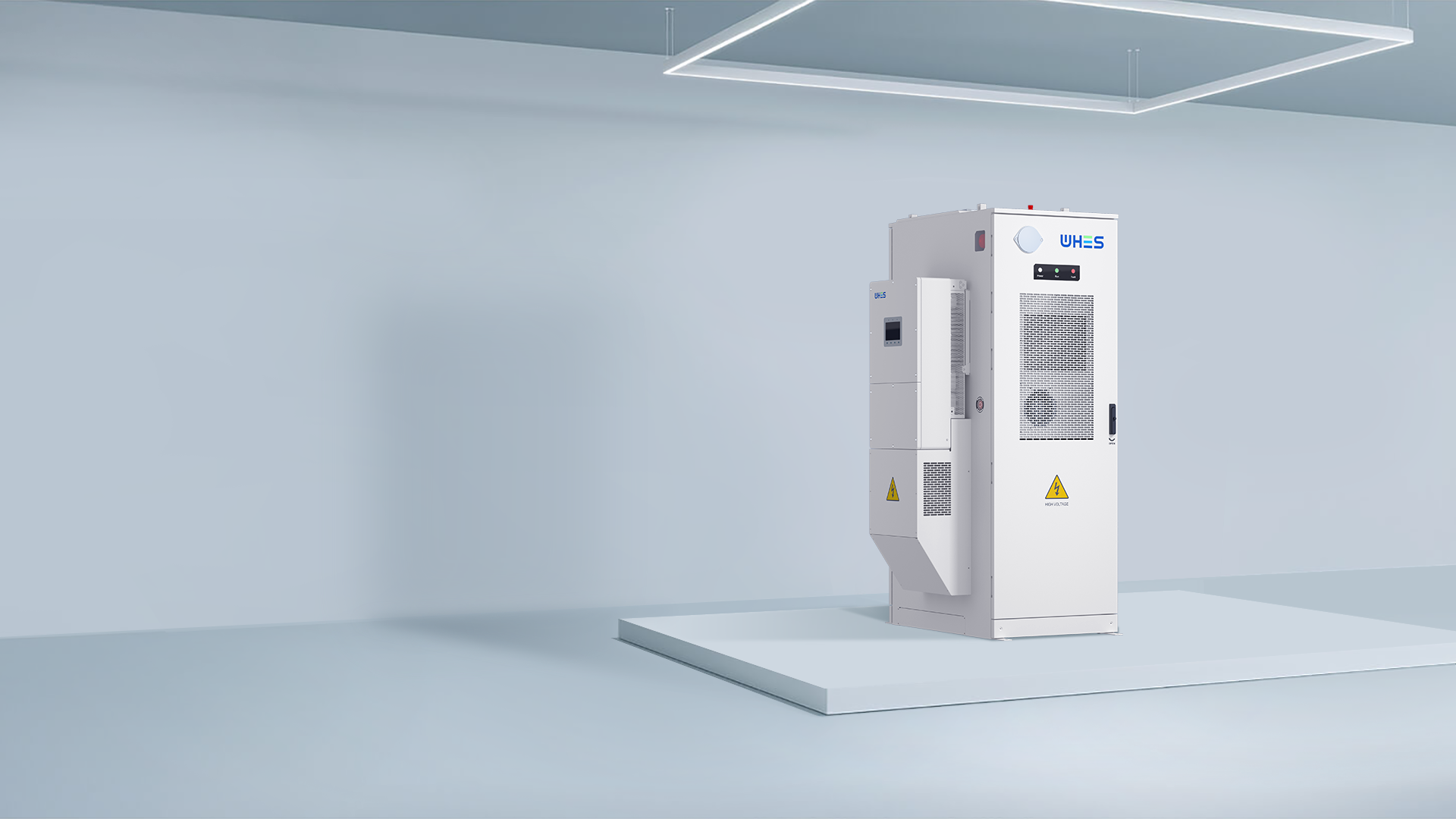
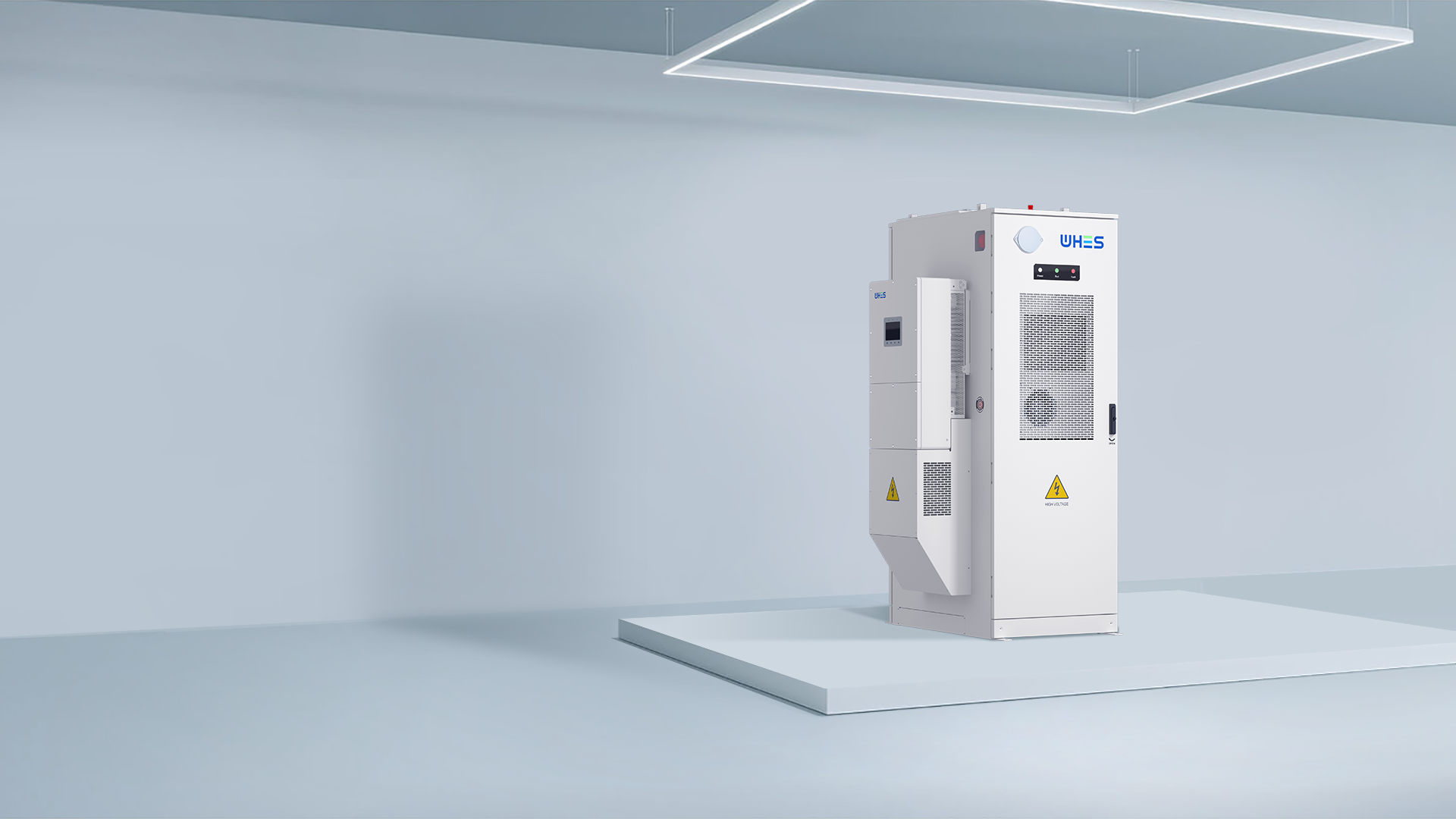
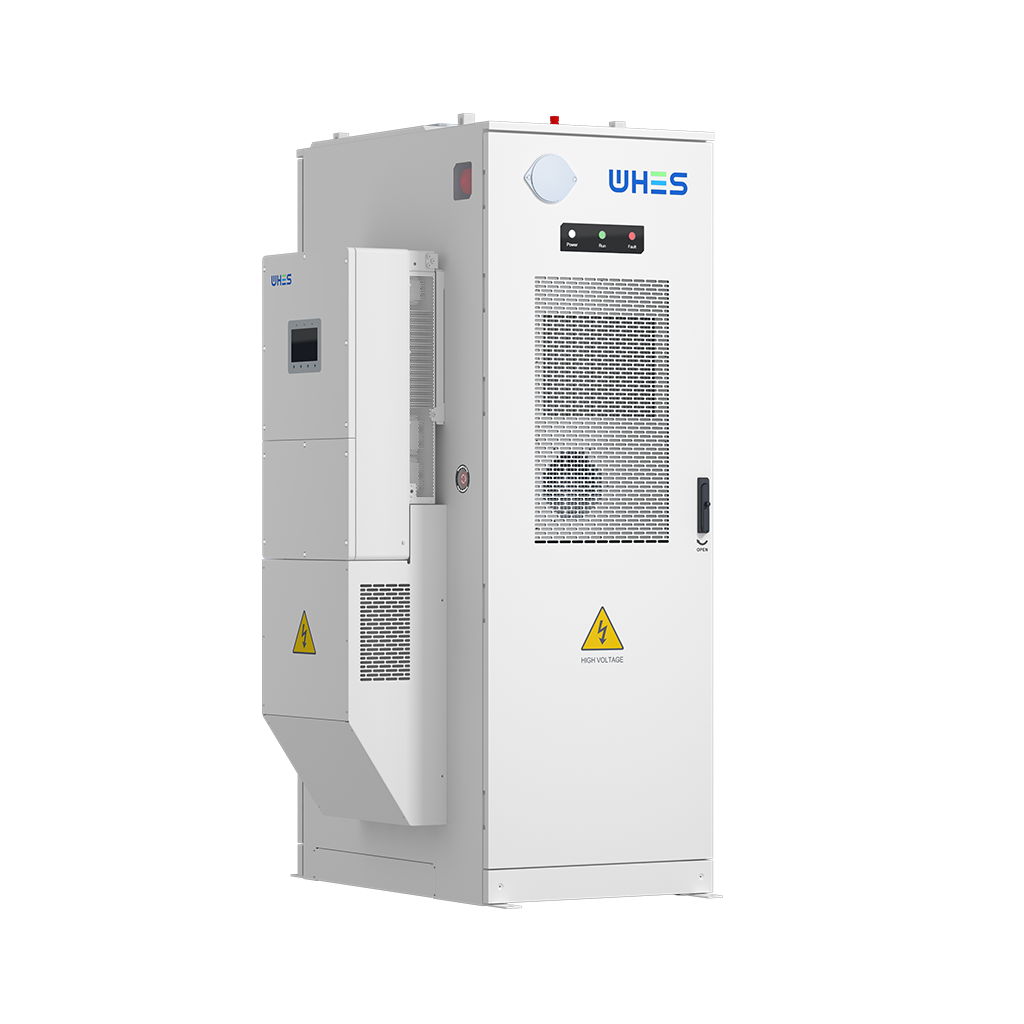
A smart microgrid stitches generation, storage, and controls into a single operational fabric. At its heart is a battery energy storage system (BESS) paired with inverters and an energy management system (EMS). Together they handle peak shaving, frequency support, and islanding during outages. That means fewer hours for gensets, simpler maintenance schedules, and a predictable path to zero-emission operation for daytime loads. The tech vocabulary is short and useful: BESS, inverter, and state of charge (SoC) — each term maps directly to tangible design choices.
Paths forward: retrofit, hybrid, or full replacement
Not every site follows the same route. The right approach depends on goals, budget, and operational constraints.
- Retrofit hybrid: keep existing gensets but orchestrate them with batteries and controls to cut run-time and improve fuel efficiency. Good when capital is constrained or regulatory timelines are long.
- Partial replacement: install a BESS sized for daytime load or critical circuits to shave peaks and buy down fuel use — an incremental path that demonstrates value quickly.
- Full replacement: design a grid-forming microgrid with renewables and battery backup that can operate off grid as primary power. This is the cleanest long-term outcome but needs robust design and testing.
Common mistakes teams make — and how to avoid them
People rush to install batteries without aligning the system to real-world operations. They pick capacity by rough estimates, neglect the inverter capability required for black starts, or forget how the EMS will interact with legacy control logic. Worse, they assume fuel savings translate immediately into ROI — they don’t always, unless dispatch strategy and warranties are nailed down. Test with the real load profile. Simulate outage scenarios. Insist on cycle life and degradation models that match your intended SoC window — and don’t be blind to permitting and interconnection timelines. Also, remember to engage operations early; a good technical design fails if crews aren’t trained to run it. —
Real-world anchor: lessons from catastrophe and remote operations
Consider Puerto Rico after Hurricane Maria in 2017: prolonged outages showed how fragile diesel-dependent systems can be, and how resilient microgrids can protect hospitals, water treatment, and critical commerce. Similarly, remote mines and island resorts that once burned fuel around the clock now report dramatic drops in genset hours after deploying modular energy storage and renewables. These are not hypothetical wins — they’re operational truths that shape procurement, insurance, and community expectations for reliability.
How to evaluate a system and the vendor behind it
Evaluation must balance technical performance with commercial reality. Ask for lab-validated specs, lifecycle cost models, and field references. Run these checks:
- Operational scenario testing: vendor shows performance under outage, peak, and ramp events.
- Warranty and degradation transparency: clear metrics for cycle life and end-of-warranty capacity.
- Integration readiness: proof that the EMS will talk to existing SCADA or building management systems.
If your site aims to go truly independent, look for vendors experienced with off grid energy storage projects — small technical differences in inverter controls or BMS logic can make the difference between seamless operation and constant tinkering.
Advisory: three golden evaluation metrics for choosing the right strategy
1) Effective cost of energy under your dispatch profile: measure delivered cost (capital + O&M + opportunity cost of fuel) across realistic load and outage scenarios. 2) Proven reliability in similar sites: require field data showing achieved genset-hour reductions and documented uptime improvements. 3) System sustainment clarity: confirm who handles firmware updates, BMS tuning, and spare-part guarantees over the system lifecycle.
Choose a partner who translates those metrics into clear contractual commitments — that’s the practical path from diesel to quiet, predictable power. In practice, a supplier like WHES can be the integrator who makes the roadmap into a working grid — local expertise, tested systems, and an eye for the everyday operational details that win outages back for people. —