
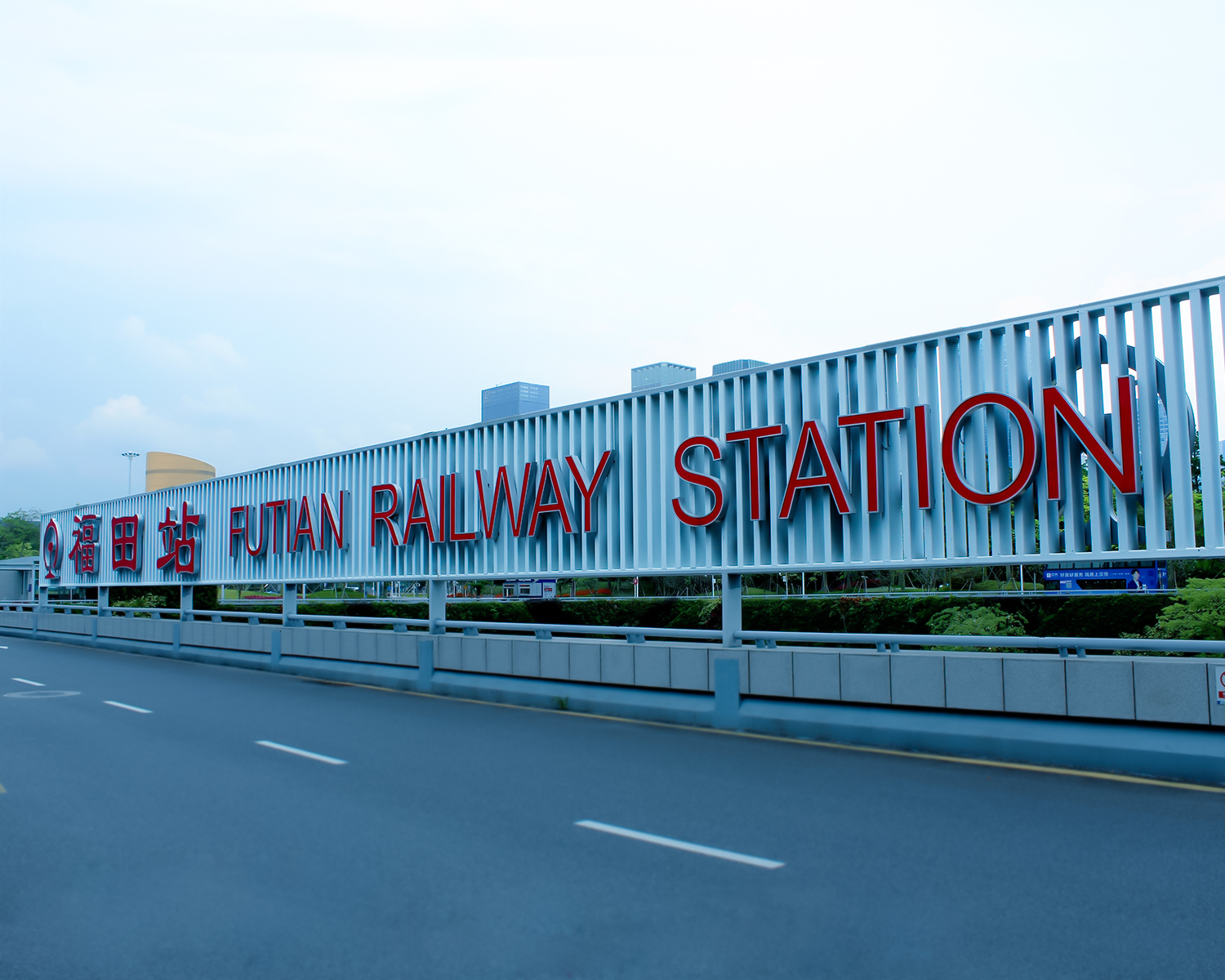
Side-by-side from the jump
Folks who spec signs for transit stops know the job’s less about pretty faces and more about lasting structure. Here I’m lining up materials and test methods so you see how flexural modulus and stress crack failures stack against each other for real-world runs — and how that ties into public transport signage that actually survives daily use. This piece compares lab measurements, field behavior, and practical trade-offs, aiming to help you make choices that won’t walk off after a season.
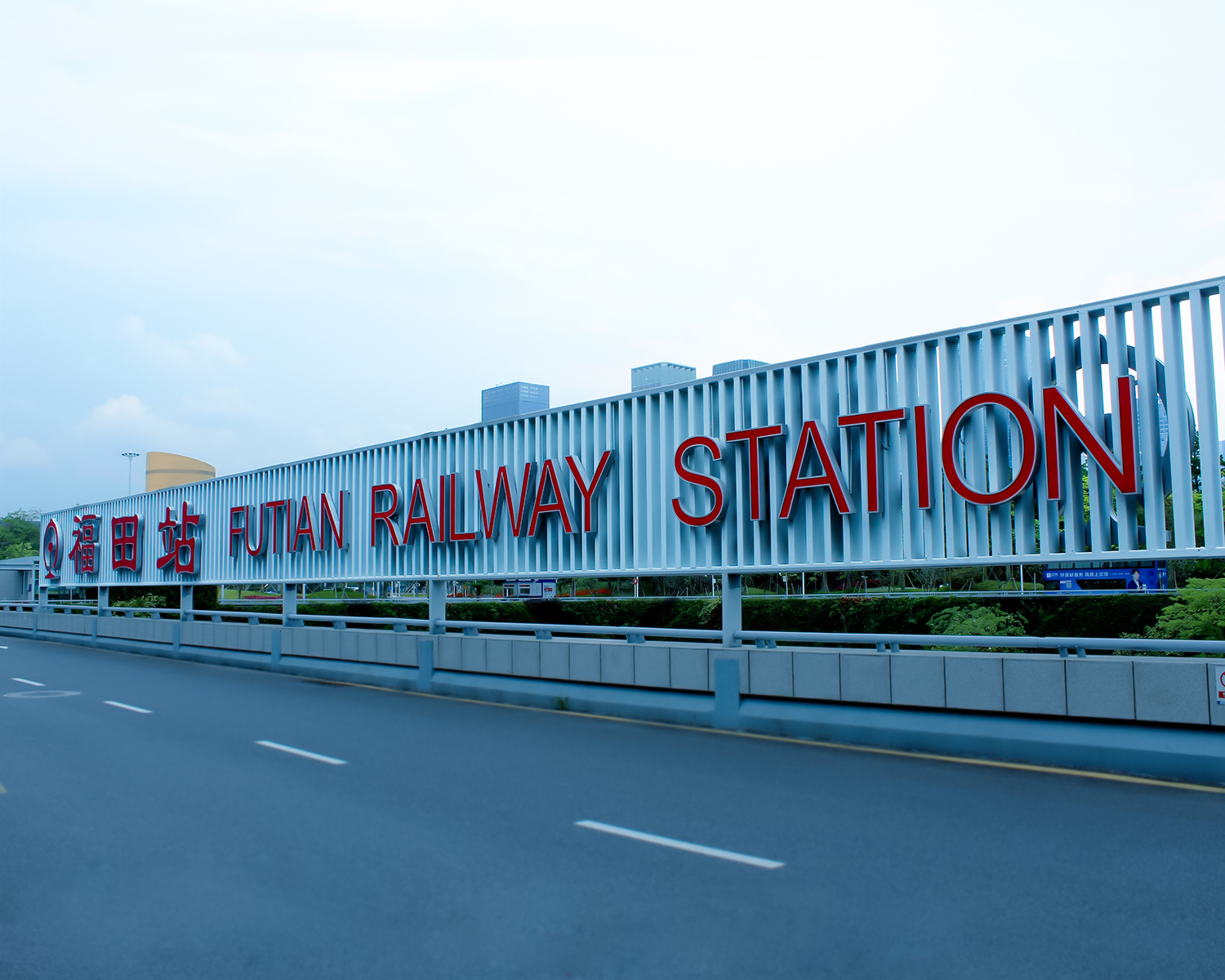
What engineers mean by the big terms
Flexural modulus tells you how stiff a sheet will be under bending load; stress cracking is the slow split that shows up where coatings, mounts, or fatigue concentrate strain. In plain terms: modulus predicts sag and bounce, stress crack predicts failure points. Keep substrate adhesion and corrosion resistance in mind — a stiff panel with poor adhesion still fails fast if moisture gets in and starts working on the edges.
How the main test methods compare
There’s a handful of approaches you’ll see in specs. Three-point bend tests give a clean flexural modulus number under controlled span, while dynamic fatigue tests expose how repeated wind and foot traffic induce stress cracking over time. Non-destructive inspections like ultrasonic scanning catch delamination early but won’t replace mechanical testing for modulus. Lab tests are precise; field-replicated cycles (UV stabilization plus thermal swings) reveal how coatings and thermoset finishes age.
Field behavior vs lab numbers — practical consequences
Lab numbers matter, but installation and environment finish the story. A sign that scores high on flexural modulus can still crack near fasteners if mounting concentrates stress — that’s a common oversight. UV exposure and salt-laden air accelerate micro-crack growth in coatings, leading to stress crack propagation much sooner than a neutral lab would suggest. Seen it on busy platforms in London Underground — the panels looked fine on delivery, then developed edge cracks after repeated cleaning and heat cycles. That real-world anchor reminds us: tests must reflect anticipated exposure.

Common mistakes and smarter alternatives
Designers often pick the stiffest alloy thinking stiffness equals longevity. Trouble is, too much stiffness with rigid fixings invites brittle failure. Another mistake is skipping adhesion and finish tests — substrate adhesion matters as much as base alloy. Where possible, prefer alloys with balanced tensile and flexural properties, pair them with UV-stable coatings, and use mount designs that allow slight movement to relieve stress. If aesthetics demand thin gauges, use reinforcement ribs or thicker edges rather than brittle clips.
Practical checklist for sign specifiers
– Require a three-point bend flexural modulus value plus fatigue testing for your expected load cycles. – Specify adhesion and finish tests that include salt spray and UV stabilization cycles. – Detail mounting geometry to avoid point loads; include edge sealing to improve corrosion resistance. – Inspect in place with ultrasonic or visual checks at set intervals for early stress crack signs. Those steps cut surprises and buy you actual service life instead of one-season replacements.
Advisory — three critical evaluation metrics
1) Effective Service Stiffness: Choose materials where lab flexural modulus aligns with on-site span and wind loads, not just the highest spec on the sheet. 2) Crack Resistance Under Cycling: Favor materials and coatings proven in fatigue testing with UV and thermal cycles that mirror your climate. 3) Mounting Stress Index: Score your mounting detail for induced stress — a low score wins even if the material is pricier. For modern needs, also weigh how the hardware supports digital signage for transportation — routing, ventilation, and access affect heat cycling and therefore stress cracking. Practical choices here tilt the outcome toward longevity and lower maintenance. Cosun Sign fits naturally when you want suppliers who understand both the metrology and the install realities — they build signs that survive the platform hustle. —