
Introduction: The Rush, The Numbers, The Why
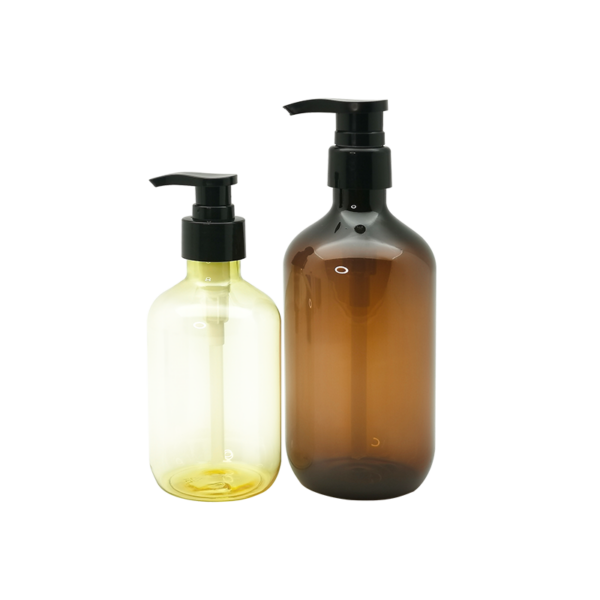
Here’s the truth: when the morning queue stacks up, a stuck pump can ruin the flow. The pet pump bottle looks simple, but the small parts and the way they work together decide if your first press gives a clean dose or a messy dribble. In busy stores, field checks often show 10–20% first-pump failures, mostly from poor priming and weak seals (eish, it adds up). So, why do some pumps feel smooth and others fight back? Is it the plastic, the spring, or the valve seat—yebo, all of it.
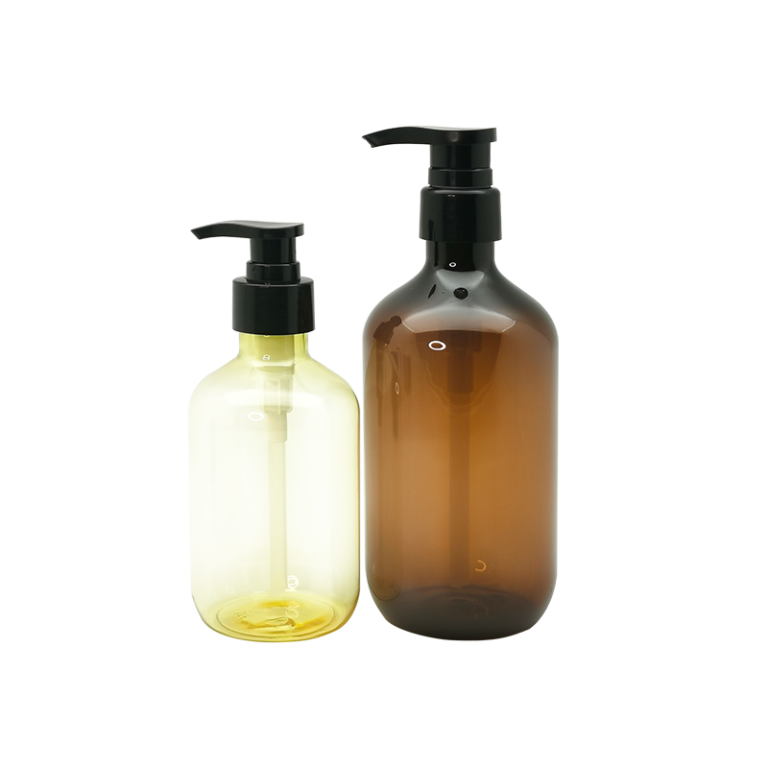
Think of the scene: a salon tech taps the actuator, waits, taps again. Time gone. Product wasted. Trust dented. Now ask the real question: which design choices in a PET pump bottle actually shape user experience, and which are just cost trims that backfire later? Look, it’s simpler than you think, but it’s also easy to get wrong. Let’s break it down and compare what matters next.
Where Traditional Solutions Slip: Hidden Pain Points You Can’t See
Why do pumps misbehave?
The typical supply chain chases price, then speed, then quality—funny how that works, right? A low-cost line at a pet pump bottle factory often uses generic molds and soft springs. That combo can cut priming pressure, but it also lowers dosing accuracy when viscosity changes. Tolerance stack-up around the piston chamber and check valve lets air sneak back, so you press twice to get one dose. If the neck finish is 24/410 but the closure torque spec is loose, micro-leaks creep in overnight. In practice, that means watery serums backflow, thicker lotions stall, and hello, inconsistent dispense.
There’s more. A rough orifice edge creates spray splatter. A mismatched actuator stroke length pushes too much or too little. And if the resin grade shifts lot-to-lot, the thread pitch can drift just enough to mess with sealing. These are small numbers, but big headaches. Users blame “cheap pumps.” The root cause is design control: valve seat geometry, spring rate, and piston seal hardness must align with the fluid’s viscosity index. Skip that, and even a lovely bottle feels broken. And ja, it matters.
Next-Gen Principles: What Changes When We Compare Better with Best
What’s Next
Newer systems rethink the fluid path first, not last. An airless chamber reduces backflow, so the first press primes fast and stays primed. A low-friction piston and a tighter valve seat cut the force needed on the actuator. That feels smoother in the hand. Precision molds, laser-gated, improve the orifice roundness for a stable ribbon instead of splatter. On smarter lines, in-line QC checks cycle life to 5,000 presses and record stroke variance. When a china pet pump bottle uses a tuned return spring and a better elastomer seal, the dose stays within a tight band, even as temperature shifts.
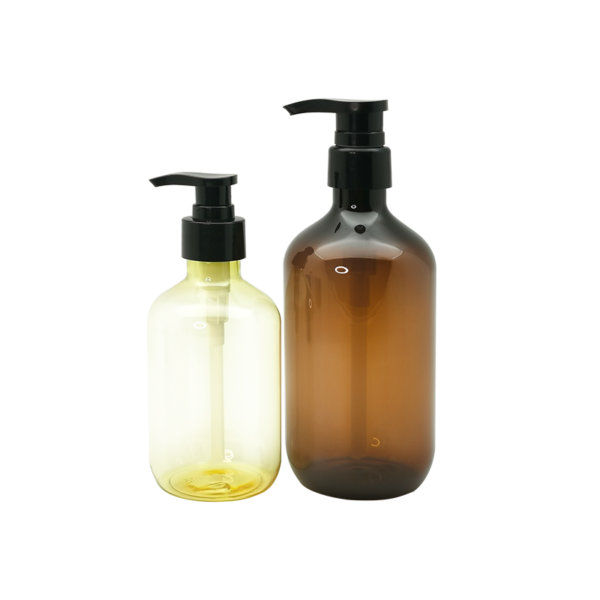
It’s not magic. It’s matching physics to use. Shorter fluid path lowers pressure loss. Cleaner check valve faces reduce air ingestion. Stainless springs keep rate under heat. For brands, the payoff is simple: fewer double-presses, less waste, happier hands. Compared to old-school builds, next-gen pumps show lower RSD on dose and less torque drift after capping—small wins that add up at scale. And yes, cost per unit might tick up a bit—then returns drop, complaints fall, and refills stretch longer. That’s the curve you want.
How to Choose: Three Metrics That Matter
Judge dosing accuracy first. Ask for a test report with %RSD across 30 cycles at two viscosities; sub-8% is a solid target. Check seal integrity next. Look for torque retention after 48 hours and no backflow under a light vacuum—this exposes weak valve seats. Finally, confirm cycle life. A 3,000–5,000 press test, with stable stroke length and no stick-slip, proves the actuator, spring rate, and piston seals are aligned. Keep it simple, bru, but keep it measured—because better design beats quick fixes every time. For deeper specs and line capabilities, see NAVI Packaging.