
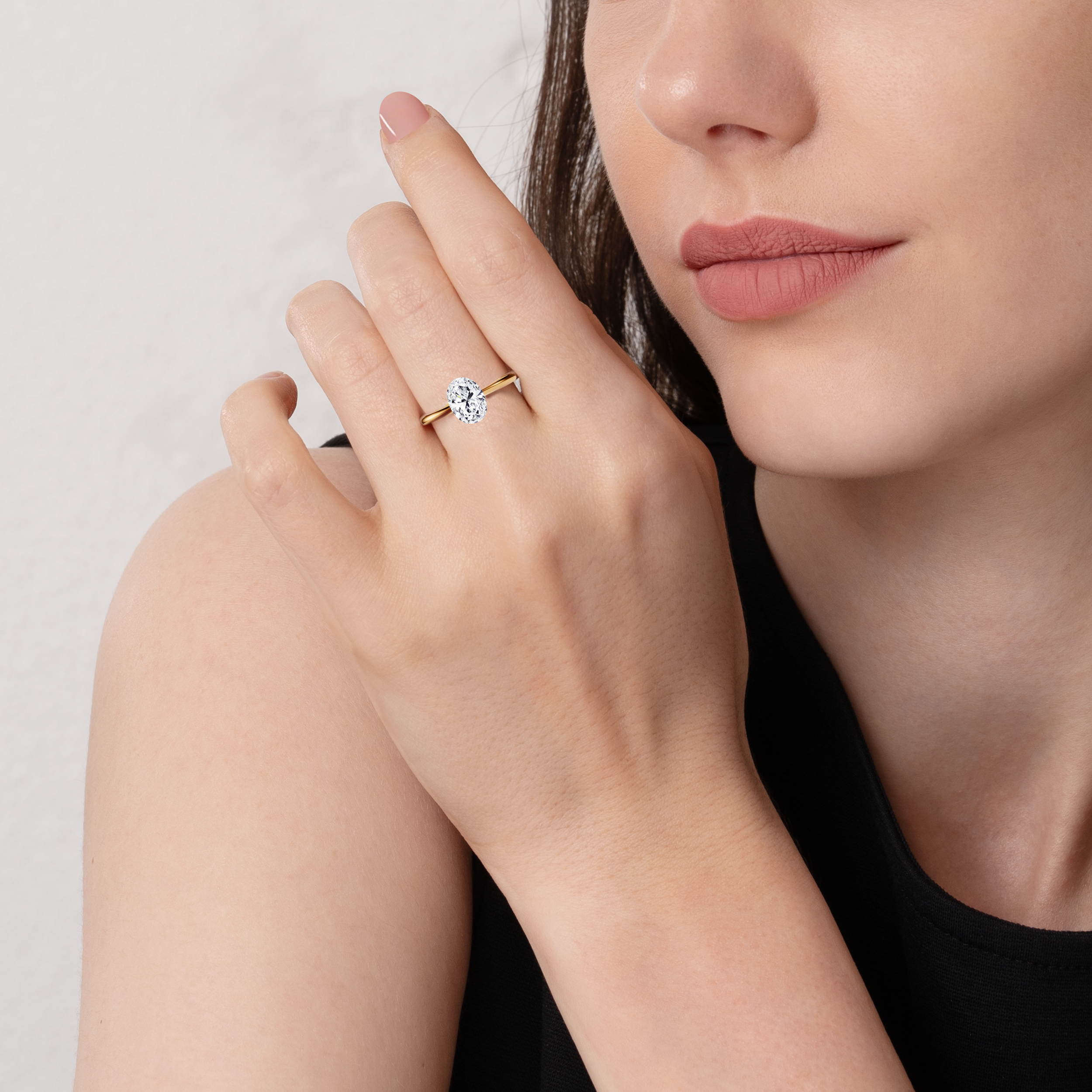
A Quiet Moment, A Bold Choice
You pause at the window, the city hums, and your breath keeps time like a soft drumbeat. You’re scanning bridal sets, and the white gold bridal set keeps catching the light, like a chorus note that won’t fade. Numbers whisper, too: more than half of couples reach for white gold these days, and for good reason. Yet the mind nags—will it last, will it feel right, will it sing every day? The stage seems simple, but small details rule the performance (fit, finish, repair).

I’ve watched pairs choose on feel alone, then hit old roadblocks months later. Tiny things—prongs that snag, sizing that warps, color shifts after daily wear. The question is alive: are we judging the metal, or the method behind it? Let’s step under the lights and listen for the quiet flaws. Then we’ll lean into what works better than expected. Next up, we compare what tradition promised with what modern craft delivers.
The Hidden Gaps in the Old Playbook
Where do legacy fixes fall short?
Here’s the technical truth. Older solutions treated white gold like a static thing, when it’s an alloy with needs. A 14k karat alloy blends gold with nickel or palladium; it wants the right rhodium plating to keep tone and luster steady. When plating was thin, the surface dulled fast. When shops skipped prep or used hot, heavy buffs, the finish wore unevenly. Prong setting was another quiet culprit. Tall prongs looked grand but snagged fabric and shifted micro-pavé. Sizing, too: heat-heavy resizing softened a soldered joint and stressed a channel-set band. The metal was fine; the process stumbled—funny how that works, right?

Look, it’s simpler than you think. Better craft fixes most pain points. Lower, contoured prong profiles cut snags. Laser welding keeps joints strong during a resize. Consistent micron-thick rhodium extends brightness and reduces trips back to the bench. Even cleaning changed: mild ultrasonic is great, but not on every stone or glue seam; a careful steam pass and soft brush protect bezels and pavé. Most “white gold problems” were method problems: tolerance, prep, and maintenance intervals. When those tighten, the ring stays true, the set stacks flush, and the daily score plays clean.
Next‑Gen Craft Meets Classic Form
What’s Next
Now we look forward, with a comparative lens. New technology principles make white gold feel calm and modern. CAD layouts model stack height and shank taper before casting, so each band nests without pinching. Laser welding refines resizing, so strength holds around a delicate pavé rail. PVD-fused rhodium and controlled pre-polish keep the finish even across curves. The result is not just bright; it’s predictable under real wear. Place that next to platinum or yellow gold and you see it: white gold wins on balance—color neutrality, weight, and value per gram—while the craft erases the old weak points.
Consider shape, too. When you pair a clean solitaire with contour bands, or match symmetry in emerald cut bridal ring sets, the tech shows. CAD ensures bezel margins stay even; prong angles line up with the stone’s step-cut rhythm; polish preserves crisp facets without rounding. Maintenance becomes a schedule, not a scramble: light replate by years, not months; prong check by season, not panic. And the feel? Quiet. No snagging cuff, no off-center spin, no cloudy glow after travel—funny how the right prep just disappears.
To wrap with something useful, here are three clear metrics when you evaluate any set: 1) Material spec: confirm karat alloy and rhodium micron thickness, plus any nickel-free note if you have sensitive skin. 2) Build spec: check prong profile height, laser-welded joints, and seat depth for the center stone. 3) Lifecycle plan: ask for finish intervals, resize method notes, and a repair map for pavé or channel-set work. With that, you compare apples to apples, and the music stays in tune. For deeper spec sheets and craft standards, see Vivre Brilliance.