
Introduction — a short scene, a number, a question
Picture this: I’m standing on a factory floor at 7 a.m., watching a line slow down because one drive won’t hold speed. I point out an electric motor and someone says, “Replace it?” — but what will that actually buy us? Recent reports show motors consume roughly 40% of industrial electricity in many plants (yes, that much), and even a small efficiency gain can shift budgets. So how do we know which upgrade pays back in months not years?
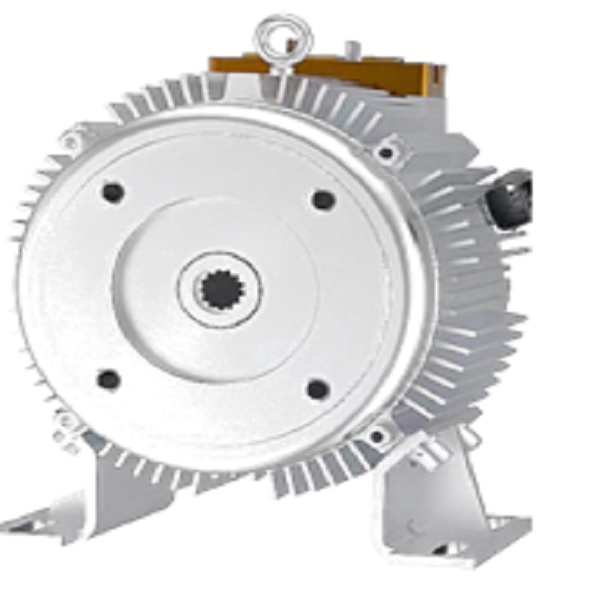
I’ve tracked downtime, energy logs, and maintenance tickets long enough to see the mismatch between choices and outcomes. We tend to buy for nameplates and cost, not for real-world kilowatt-hours or torque behavior under load. That’s where the real questions live: which parts of performance matter most — steady torque, control fidelity, or lower heat loss? Let’s peel this back and find out. — Keep reading to see what usually goes wrong and what to do next.
Part 2 — What traditional fixes miss in brushless systems
Right up front: when teams swap in a brushless electric motor expecting instant miracles, I’ve seen hope beat reality. The usual fixes—oversizing, crude VFD tuning, or swapping bearings—ignore deeper issues like commutation timing and the motor’s torque constant. Those factors shape how a motor behaves under variable load, and they feed into the inverter and PWM strategy. Look, it’s simpler than you think: if commutation lags or sensors drift, you get torque ripple and wasted cycles.
Why does that matter?
When torque ripple spikes, you see vibration, heat, and premature wear on the rotor and stator. We patch with slapdash control updates; but without proper BLDC controller tuning or checking Hall effect sensors, the root cause remains. I’ve opened panels where the control board was fine but the encoder alignment was off by a hair—funny how that works, right? In short: traditional maintenance treats symptoms. Modern brushless systems need diagnostics that read motor currents, check phase balance, and validate commutation angles. That’s where energy savings and reliability actually hide.
Part 3 — Principles for choosing next-gen brushless solutions
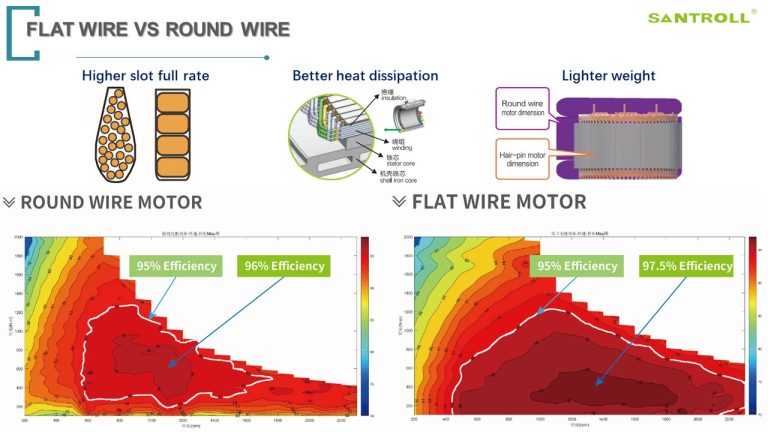
Looking ahead, I favor solutions built on clear electrical and control principles, not on marketing specs. A good brushless motor paired with an adaptive inverter and well-tuned PWM scheme will cut losses and smooth torque. We should evaluate rotor inertia, feedback fidelity (encoder or resolver), and the controller’s ability to handle transient loads. Those are the things that reduce cycle losses and lower peak currents — which in turn cut energy bills and heat. I mean, we want devices that play well with modern drives and edge computing nodes for predictive maintenance, not isolated boxes.
What’s next — practical steps
Start by running a simple test: log current and speed during a representative cycle for 24 hours. Compare how different motor-controller pairs handle starts and stops. I recommend three metrics to weigh when picking upgrades: energy per cycle (kWh per task), mean time between faults under real load, and the quality of torque control (ripple and transient response). Use those to prioritize upgrades — and don’t forget install quality; poor wiring undermines even the best motor. In the end, I trust data and hands-on checks over glossy specs. For reliable sourcing and detailed product info, check Santroll.