
Cutting to the problem
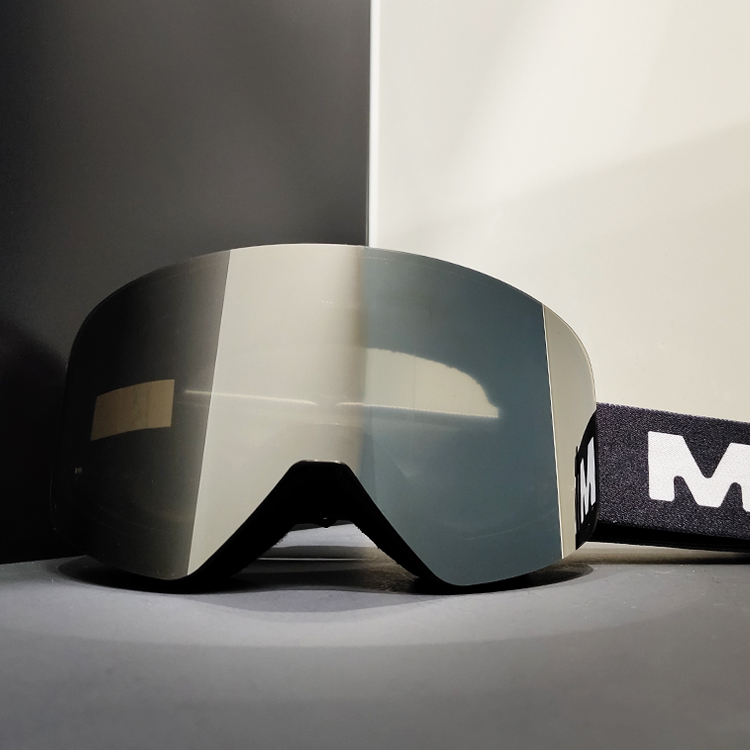
Brands want a clean, durable frame and slick optics, but the upfront cost of custom moulds kills margin before the first run. That’s the issue: tooling eats tens of thousands, yet the market demands affordable gear. A way through is clever amortisation paired with design choices — think magnetic closures and modular frames. For a hands-on example, look at how some makers implement magnetic ski goggles to speed assembly and reduce parts count, which helps pay tooling back faster.
Why tooling matters for ski goggles
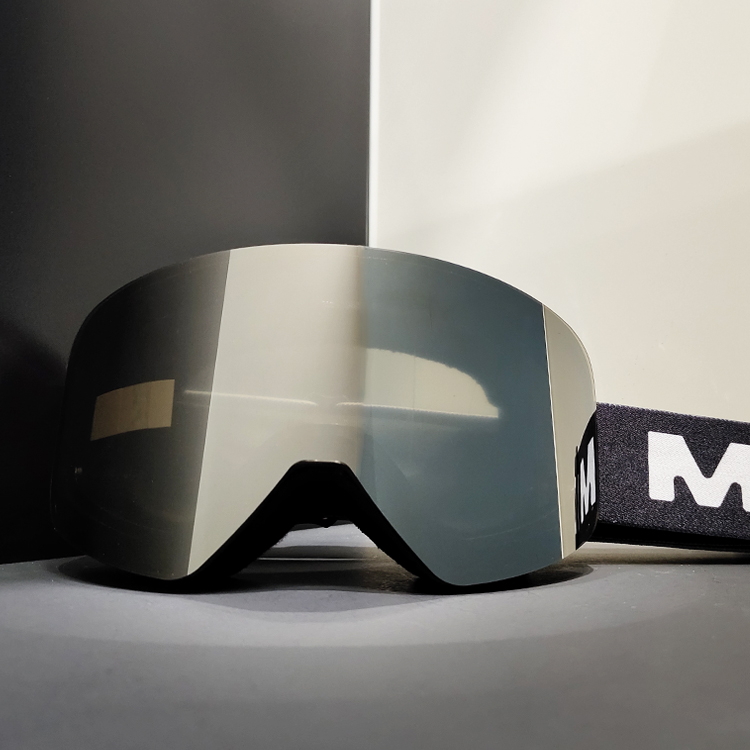
Injection moulds define fit, ventilation channels and lens seating. Get the mould right and you get consistent frames and reliable anti-fog performance; get it wrong and you’re stuck with rejects and warranty headaches. Ski resorts like Whistler Blackcomb show how consistency matters — rental fleets need identical fit and quick lens swaps to keep people moving on busy days. That real-world pressure is why tooling strategy can’t be an afterthought.
Simple maths: amortisation without the fluff
Start with three figures: tooling cost, expected units, and target margin. If a mould costs AUD 40,000 and you expect 40,000 units over the life of the mould, tooling adds AUD 1 per unit. Push expected units up, or reuse the mould for variants, and that per-unit figure drops. Include secondary costs — mould maintenance, die corrections, and cycle-time tweaks — then fold in logistics and finishing like polarised lens installs or anti-fog coating to get a true per-unit cost.
Design choices that lower amortised cost
Make parts multifunctional. A magnetic strap system can replace clips, simplifying assembly and reducing labour. Use an interchangeable lens bay to allow multiple SKUs from one mould. Pick a lens retention method that avoids post-mould inserts. These choices reduce parts count and lower unit labour — and that’s where amortisation becomes tangible. Also mind ventilation channels and foam interface: small mould tweaks can improve breathability and reduce returns.
Manufacturing strategies that actually scale
Spread risk across runs. Split production between two moulds to halve cycle time while keeping per-mould runs shorter. Use tiered buys: confirm a base order to prove fit and optics, then scale after a season’s feedback. Consider offshore injection moulding partners who can handle multiple cavities per mould; more cavities equals lower per-unit mould cost, but watch quality control closely. Implement consistent QC for goggle lens seating and strap fixation — that saves warranty claims.
Common mistakes and practical alternatives
Rushing to one-off, highly styled frames is tempting but costly. Too many unique parts means longer payback. Instead, opt for a unisex frame platform that fits broad demographics and supports interchangeable lens options — that’s where unisex ski goggles shine, offering economies of scale without looking generic. Another route is white-labeling from established moulds while you build volume — it’s not glamorous, but it protects cashflow.
Advisory: three golden rules for tooling decisions
1) Calculate realistic life-cycle volume. Use conservative demand forecasts, not optimistic launch hopes. That protects margin if sales plateau.
2) Design for modularity. One mould should serve multiple SKUs via interchangeable lens systems, magnetic strap options, or simple foam swaps. That reduces per-unit tooling burden.
3) Lock down QC early. Ensure consistent goggle lens placement, vent geometry and anti-fog treatment during the first 1,000 units — correcting moulds later is costly.
Take these rules and you’ll turn a massive upfront into predictable unit cost — then your product decisions can be about performance, not just payback. YIJIA Optical brings that combination of tooling know-how and practical goggle design to projects that need to scale without sacrificing fit or optics.
Final thought — get the mould to earn its keep, and the product sells itself.