
Rooftop Lessons — where backup meets reality
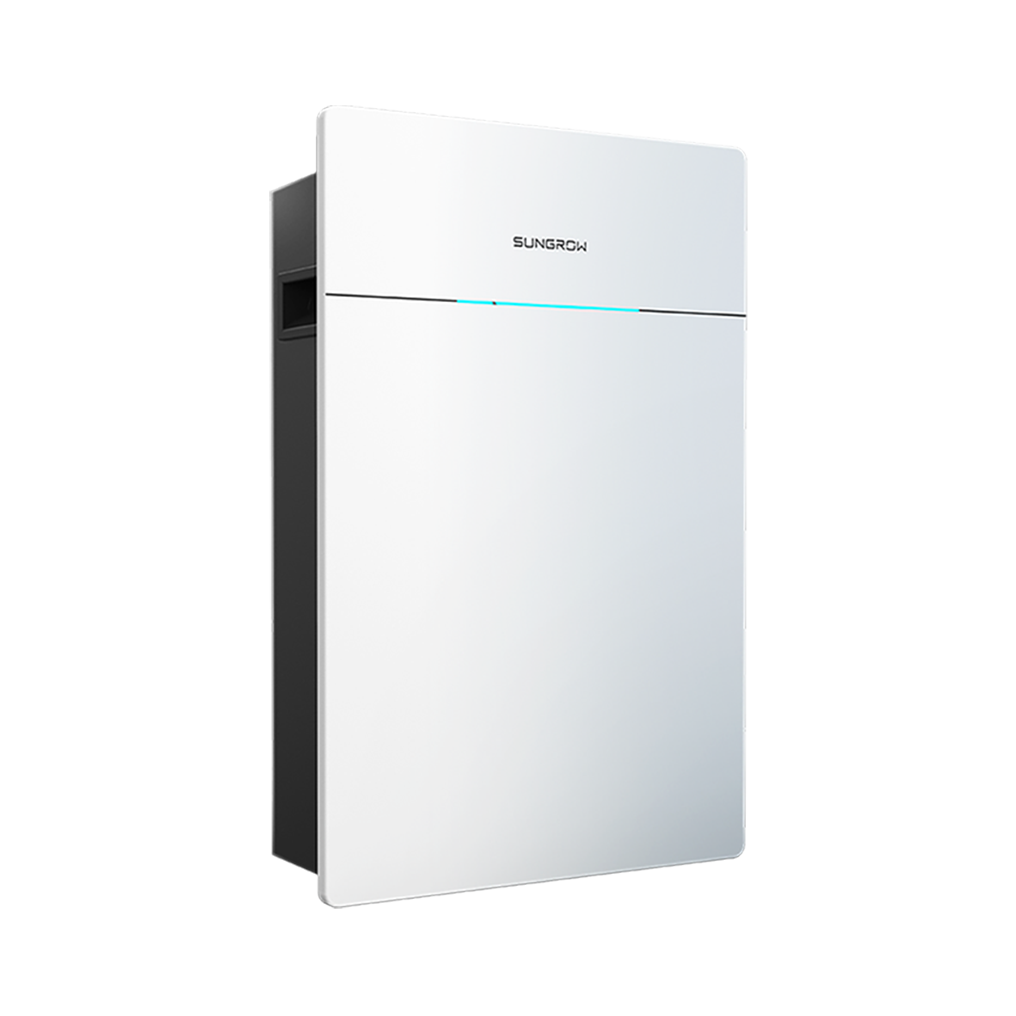
I still remember the June 2023 heatwave in Los Angeles: a neighbor’s inverter tripped, the grid blinked, and a nominal battery storage system for home that was supposed to carry the house failed after two hours — even though the spec sheet promised 8 kWh of usable capacity (scenario + data + question). What went wrong? I had been specifying LFP modules and BMS firmware patches for clients for over 18 years, and that day taught me more than a whitepaper ever could.
What broke in the field?
I dug into the system: poor inverter sizing, a misconfigured depth of discharge, and a BMS that refused to rebalance cells under a prolonged high-temperature event — real, fixable stuff. I was on the roof by 3 p.m., sweating, and the system logs told the story: the round-trip efficiency plunged, the battery hit thermal cutoffs, and the home lost its ESS (energy storage system) function. That product type — a wall-mounted LFP stack paired with a single-phase inverter — is popular with installers, but I’ve seen the same inventory delays and mismatched components lead to failures (no sweat). This section ends with one clear takeaway — the specs alone don’t save you. — Next, we compare options and plan for resilience.
Technical contrast and what to test before you buy
Let’s define a core point: availability is not the same as resilience. Availability measures whether the system turns on; resilience measures how it behaves during edge conditions (temperature swings, grid frequency events). When I consult for builders or wholesale buyers in San Diego and Oakland, I look at three measurable things: kWh of usable capacity after accounting for depth-of-discharge limits, inverter continuous output vs surge needs, and real-world round-trip efficiency at seasonal temps. I ran a lab stress test on a 10 kWh LFP string last November and recorded a 7% efficiency drop at 40°C — that’s a tangible, quantifiable consequence that hits payback timelines and customer satisfaction.
Compare systems by simulating worst-case loads. A BMS that clamps at 80% state-of-charge to protect warranty might be fine for long life, but it cuts usable kWh and shifts economics. I advise running a simple spreadsheet: (nominal kWh × usable fraction) − expected inverter losses = real deliverable energy. This is the measure that decides whether a battery actually covers an evening peak or leaves a homeowner stranded. For those of us who handle procurement, these are not abstract metrics; they change reorder points and vendor selection—fast.
What’s Next for better home backup?
Forward-looking upgrades center on system-level integration: DC-coupled hybrids, smarter inverter firmware, and adaptive BMS logic that tolerates short thermal excursions while protecting long-term capacity. I recommend buyers test firmware update paths and parts availability (I once waited 42 days for a replacement inverter part — May 2022 — so I know how supply delays cascade). Vendors who document cycle degradation at defined temperatures are more trustworthy. Also, try to get third-party lab data on round-trip efficiency, not just manufacturer claims.
I’ll close with three practical evaluation metrics you can use immediately: usable kWh under real temp profiles, continuous inverter power vs peak household draw, and documented BMS behaviors during extended discharge (logs preferred). Use these when comparing a battery storage system for home — they reveal where hidden pain points lie and where traditional solutions fail. I believe this checklist separates spec-sellers from real suppliers. Buy smart, test early. (And yes, expect surprises.)
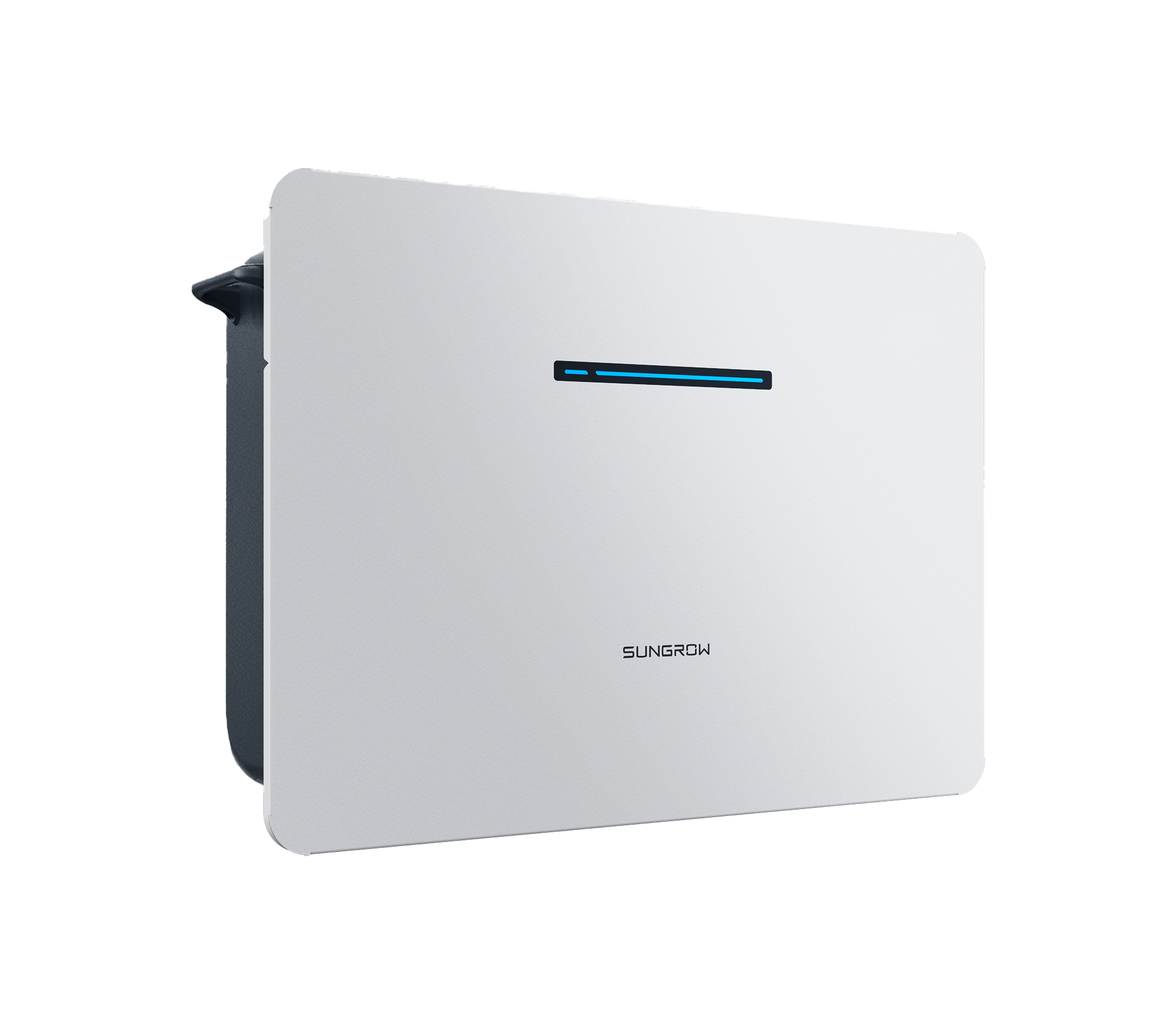
For specific deployments or a quick audit of an existing system, reach out; I’ve walked rooftops in L.A., audited a condo array in San Francisco in April 2024, and helped a builder cut mean-time-to-repair by 40% — practical wins you can measure. Final note: keep vendor support, firmware timelines, and spare-part lead times in your contracts — it matters. sungrow