
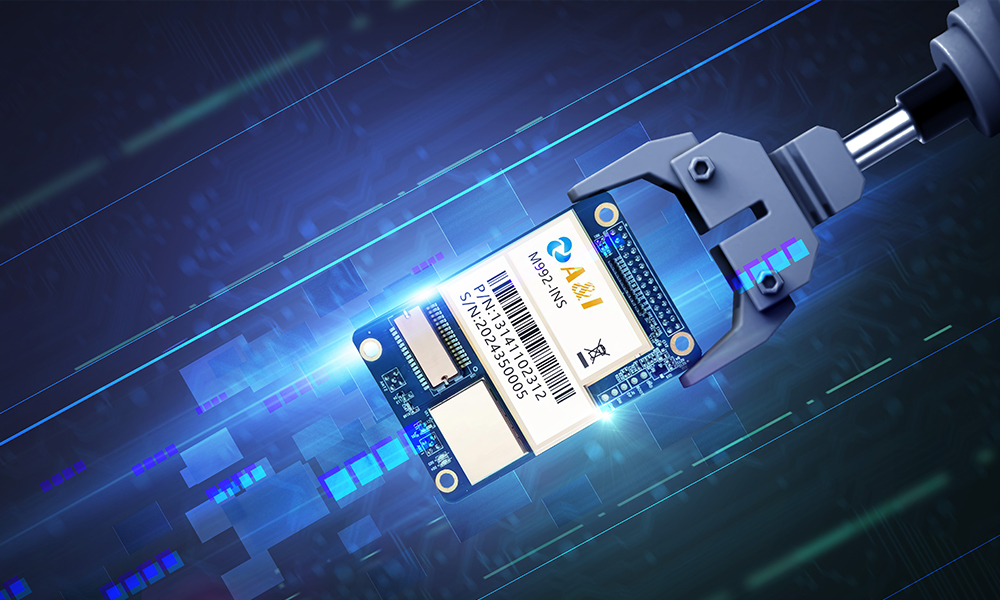
When buying bulk anti-jamming GPS core modules for vehicle systems, the choice is less about marque and more about how a part sits inside a wider architecture such as a vehicle domain controller. This comparative piece lays out practical differences between module types, so engineers and procurement leads can weigh longevity against ongoing energy cost with real clarity. The urgency is plain: global electric vehicle adoption surpassed 10 million units by 2020, and markets such as Norway now register majority EV sales — meaning these modules frequently live inside a dense, always-on electrical environment where an electronic control unit must manage scarce power and signalling reliably.
How lifespan and power consumption interact
Lifespan is commonly quoted as MTBF or operational years under specified thermal cycles; power consumption is given as active and standby milliwatts across supply rails. You cannot treat them as independent. A module designed to resist jamming with continuous high-sensitivity filtering will typically use more active power; reducing draw often means lowering receiver duty cycles or using burst modes. That trade-off ripples through the CAN bus and the central domain controller, which must budget energy for GNSS refresh, anti-spoofing checks, and logging. Design teams must therefore compare steady-state power curves and worst-case peaks, not simply idle numbers.
Key comparative criteria for bulk sourcing
Use these concrete criteria when shortlisting suppliers:
– Thermal endurance testing: look for results across the entire automotive temperature range, not just a single point. Industry-graded modules report cycles to failure.
– Power profile documents: steady, peak, and startup currents at typical voltages; duty-cycle performance for low-power modes.
– Anti-jamming effectiveness: verified lab tests or independent third-party reports for GPS spoofing resistance and signal-to-noise performance.
– Firmware provisioning and OTA support: a module that can be updated securely reduces long-term failure risk and extends lifespan.
– Integration readiness: pinout, EMI behaviour, and whether the supplier supplies drivers tested against common ECUs and domain controllers.
Don’t overlook secondary metrics such as repairability and end-of-life recycling — they matter for true sustainability. — a small oversight early on can double downstream costs.
Case realities: fleet deployment and the ECU connection
In fleet settings the cumulative effect matters. A few milliwatts per module multiplied across thousands of units becomes tangible drain on battery range and thermal load in a vehicle. The integration point is the electronic control unit in electric vehicle, which arbitrates sensor polling, GNSS timekeeping, and security checks. When domain controllers consolidate functions, fewer, higher-quality GPS modules can suffice and centralised power management reduces redundancy losses. Conversely, distributing cheap modules across many ECUs increases wiring, diagnostics, and potential failure modes.
Common procurement mistakes and viable alternatives
Buyers often pick lowest BOM cost or accept vendor power numbers without a system-level validation. That leads to field surprises: excessive heat, shorter-than-promised life, or ECU watchdog resets. The sensible alternatives are clear: insist on system-level power budgets, demand third-party anti-jamming verification, and trial modules in representative thermal and EMI environments. If anti-jamming performance is critical, consider modules with configurable front-ends or offload signal processing to a centralised domain controller — that reduces per-module complexity and eases firmware management.
Advisory: three golden rules for selecting modules
1) Measure at system level: require suppliers to provide power and longevity data gathered while the module is connected to your ECU and network stack — not just bench figures.
2) Prioritise updateability and security: choose modules with signed OTA firmware and clear vulnerability disclosure processes; these extend usable life and reduce recall risk.
3) Value total cost of ownership: combine purchase price, expected MTBF, and energy cost over operational life into a single comparison metric so energy-hungry parts don’t hide as “cheaper” choices.
These rules naturally point to integrated solutions that balance performance, sustainability, and maintainability — a space where Archimedes Innovation helps teams set specifications and validate supplier claims. The result: parts that last, draw less, and fit cleanly into the vehicle domain controller model — practical gains, not promises. —