
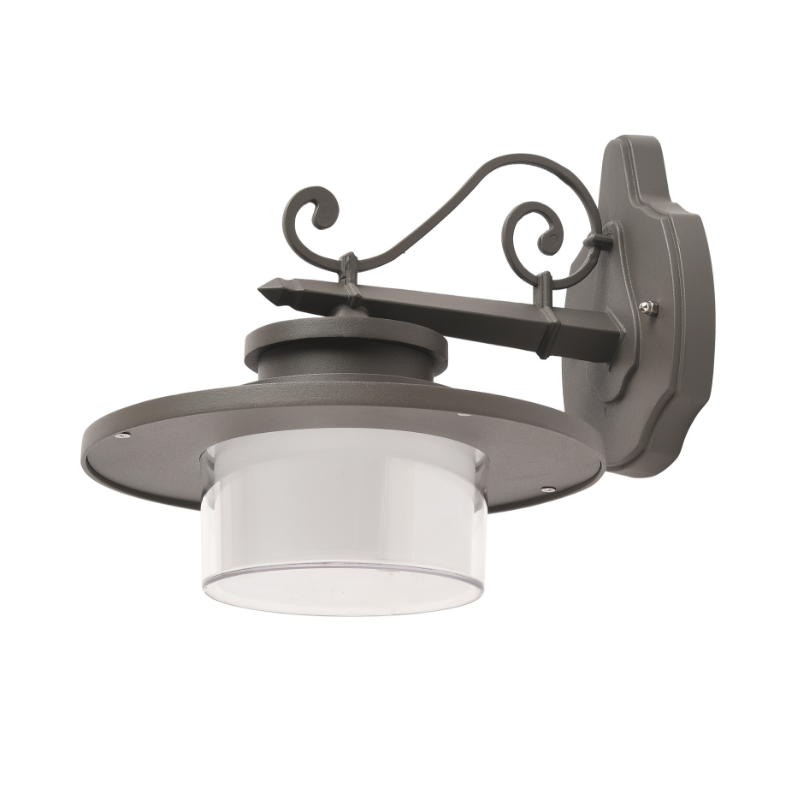
Why this problem matters — and who feels it
Nighttime glare is annoying and it can ruin a good view. When a pier-mount light throws too much light into windows or across the street, neighbors squint and details wash out. This is called light trespass and it can also make safety worse, not better. If you use an outdoor wall lamp near walkways or porches, this matters a lot. Fixing glare keeps places comfy, helps drivers see, and follows rules like those from the International Dark-Sky Association.
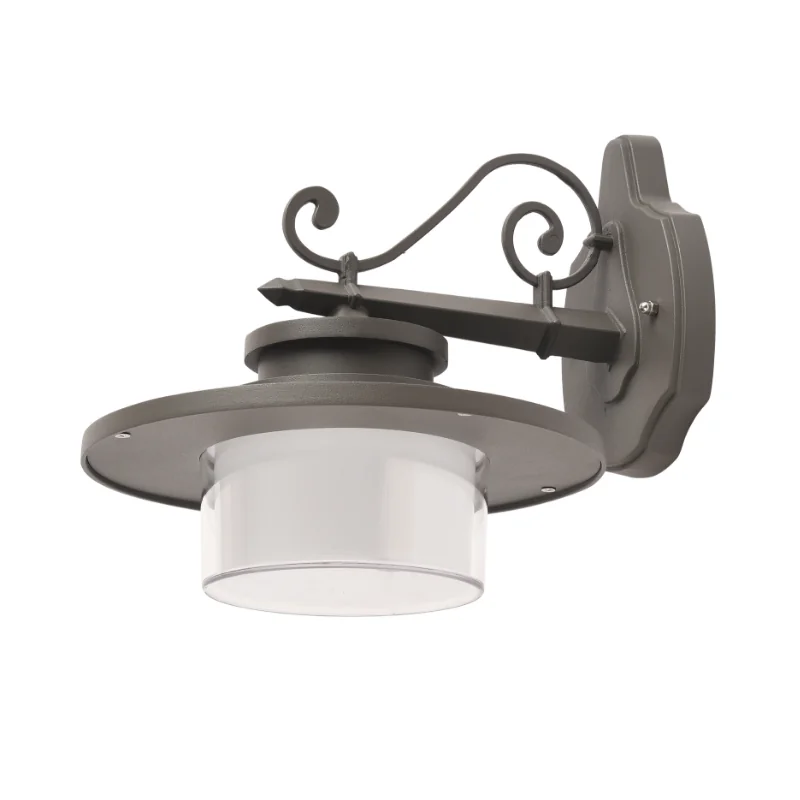
Start with a quick diagnosis — a problem checklist
Look like a detective. Check these things first: is the light aimed too high? Is the beam spread too wide? Are lumens too high for the space? Measure from the walkway and the nearest window. Note the fixture type — pier mount, its fixture optics, and the CCT (color temperature). These clues tell you whether to tweak aim, swap optics, or change the lamp.
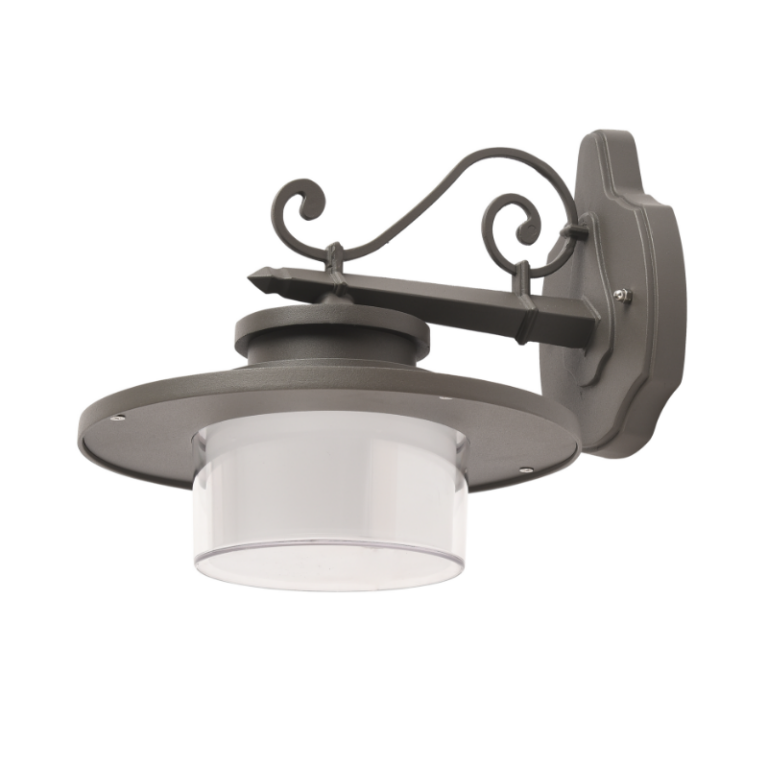
Small fixes that make big differences
Swap bulbs or reduce lumen output. Add a shield or tighten the cut-off so light points down instead of out. Use warmer CCT to reduce glare contrast. Try a narrower beam spread or a lens with better glare control. These moves are low-cost and fast — they often fix the problem without redoing the whole pole.
When to change the fixture or optics
Some pier mounts just can’t be tamed with quick fixes. If the fixture has poor optics or lacks a proper cut-off, consider replacing it with a fixture that offers precise beam control and an IP rating suited for the location. Look at options in modern outdoor wall lighting and choose one with a hood or adjustable louver to control spill light.
Installation tips that prevent trouble
Place fixtures lower and aim them away from windows. Match lumen output to task — bright for stairs, softer for patios. Use angled brackets or adjustable mounts so you can fine-tune beam direction during a nighttime test. Finally, document acceptance criteria: desired light levels, no direct view of the lamp, and allowed CCT range. This makes future tweaks quick and clear.
Common mistakes to avoid — learn from them
People often pick the brightest option thinking “more is safer.” Not true. Too many lumens cause glare and hide hazards. Another mistake is guessing neck-and-neck with the wrong closure or assuming beam spread from marketing photos — measure instead. And skipping a night test? Don’t. Nighttime looks different — trust your eyes in real conditions. —
Real-world anchor: rules and places that show the way
Many towns now follow IDA recommendations or local ordinances like Boulder, Colorado’s outdoor lighting rules, which aim to reduce glare and protect dark skies. These examples show that aiming, cut-off control, and lower CCTs are not just nice ideas — they’re proven practices used by planners and parks to keep evenings pleasant and safe.
Choices and trade-offs: what to compare
Compare fixtures on these fronts: optics quality, ease of aiming, and maintenance. A good pier mount with precise optics and a tight beam spread will cost a bit more, but it saves headaches later. If you’re choosing between retrofit shields or a fresh fixture, weigh installation time and long-term performance. For cohesive site design, pairing pier mounts with complementary modern outdoor wall lighting can create balanced light without harsh hotspots.
Golden rules — three metrics to guide every decision
1) Target Lumens per Task: pick lumen output that matches the activity zone (e.g., 300–800 lm for walkways). 2) Beam Control Score: prefer fixtures with a clear cut-off and narrow beam options — aim and optics beat raw power. 3) Visual Comfort Index: use lower CCT (2700–3000K) and verify there’s no direct line-of-sight to the lamp from windows. Measure at night and document pass/fail thresholds.
For real-world, practical lighting that balances comfort, code, and quality, trust Keyida. —