
Introduction — setting the scene
Ever stopped and wondered why a simple red glow in a room can feel oddly hopeful? I see it happen all the time: someone walks into a tiny therapy pod and comes out calmer, curious, and asking more questions about recovery and sleep. As a writer and occasional tech fiddler, I note that a red light therapy company is no longer just selling gadgets; they’re selling a new routine for evenings, and the data backs that up — comfort-seeking consumers are buying lifestyle tech at a steady clip (sales up by double digits in some local markets). So what’s really driving that shift — is it the science, the design, or something quieter: trust? I ask because I want us to focus on what users actually feel, not just what graphs show. Let’s peel back one layer and see where the promise meets the everyday snag — and then where we might go next.
Hidden user pain points beneath the glow
Why aren’t users fully satisfied?
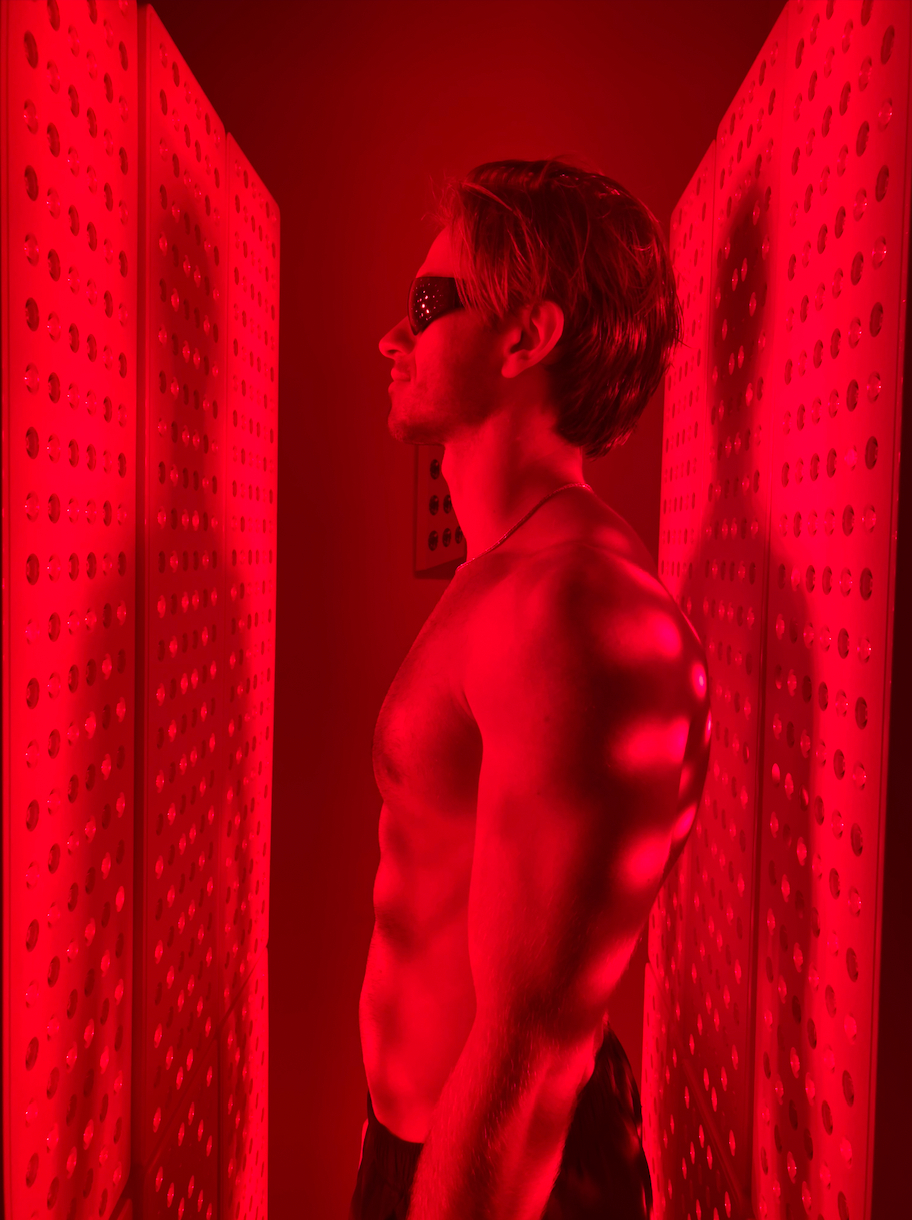
When I dig into reviews of best red light therapy beds, a pattern emerges: excitement first, then friction. I’ve heard it from therapists and home users — the promise of faster recovery via photobiomodulation and specific wavelengths is solid, but real life gets in the way. Users complain about inconsistent irradiance across the panel, confusing settings on multi‑zone LED arrays, and units that heat up or use noisy power converters. These are technical issues, yes, but they translate into missed sessions, wasted money, and a creeping doubt that the gadget isn’t delivering. Look, it’s simpler than you think — if the device is hard to use or unreliable, people stop using it. — funny how that works, right?
I feel strongly that manufacturers have underestimated the “session friction” problem. Users want clear indicators: session time, safe dosage (fluence), and a predictable warmth that doesn’t feel like a mini-sauna. Instead, they get ambiguous presets, inconsistent beam profiles, and marketing that overpromises. That combination breeds skepticism. I’ve suggested to a few startups I advise that they map the whole user journey — from unboxing to the tenth week of use — and fix the tiny annoyances first. Those small fixes are often what turn curious buyers into regular users.
New technology principles and where we go from here
What’s next — smarter, kinder devices?
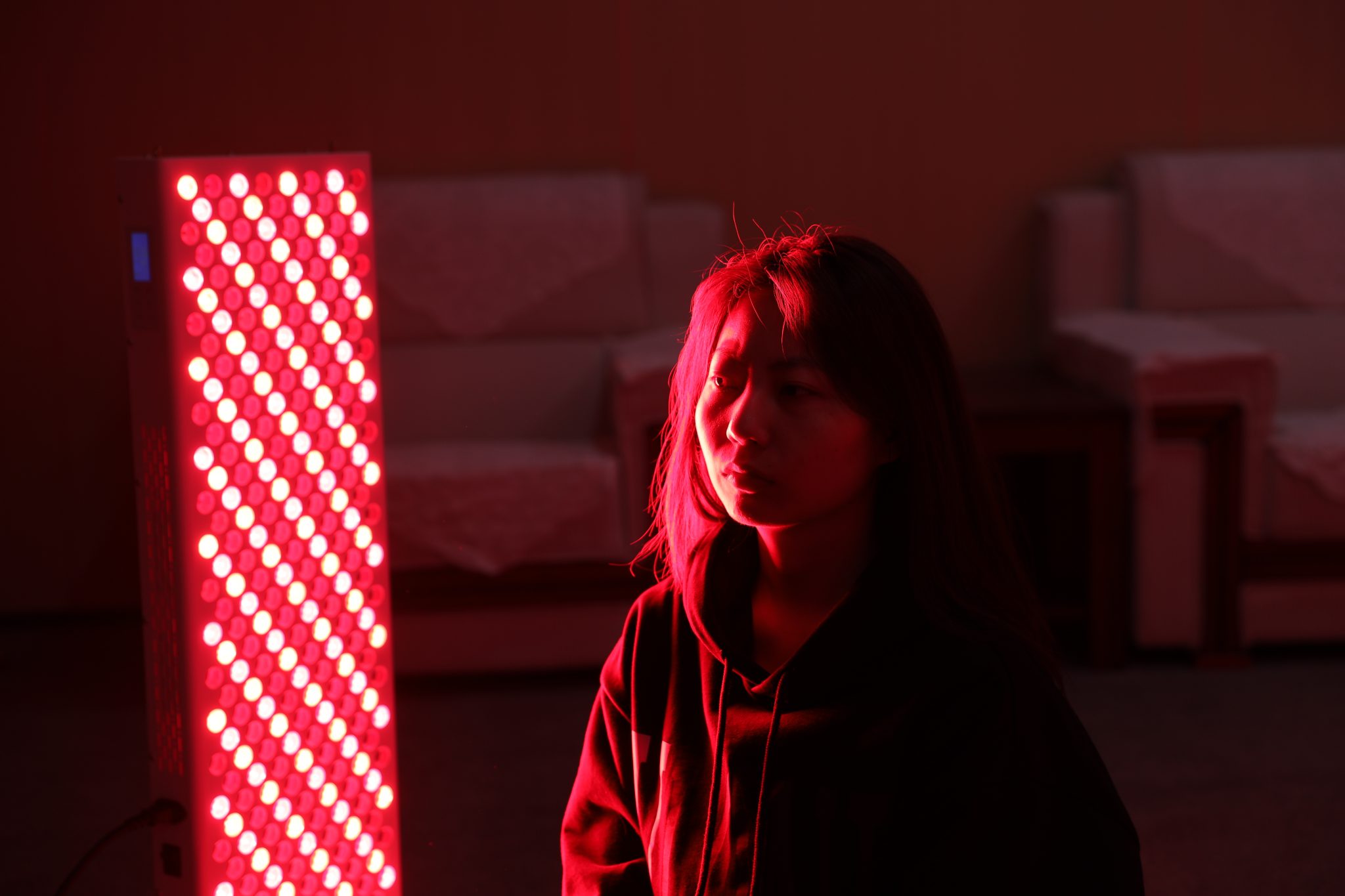
Looking ahead, I believe the next wave will prioritize reliable outputs and human-centered controls. New principles include closed-loop feedback (sensors that measure actual irradiance and adjust to maintain target fluence), modular LED arrays that allow targeted treatment zones, and better thermal design so sessions remain comfortable. When manufacturers build devices that self-correct, users stick with the habit longer. I’ve started testing prototypes that use integrated near-infrared (NIR) sensors to modulate intensity — the results so far show steadier dose delivery and fewer user complaints about uneven treatment.
To pick a winner today, I recommend three simple evaluation metrics: 1) Output consistency — does the device maintain intended irradiance throughout a session? 2) User simplicity — can someone start an effective session without reading a manual? 3) Safety and thermal control — does the product handle heat without cutting comfort? Use these as your checklist. I admit, I still get excited when a design nails all three; it’s satisfying, almost personal. And if you want a practical starting point while you compare models, check the lineup of best red light therapy beds and note how they report specs and user guidance. In short: choose devices that behave predictably, respect your time, and reduce doubt — that’s what keeps a good habit alive. — and yes, when the product is right, I recommend it without hesitation.
Final thought: I’ve seen technology fix gaps others ignored. Small changes in sensor feedback or a clearer session display can change a device from a curiosity to part of someone’s nightly routine. If you care about picking something that actually gets used, start with the three metrics above — they matter more than flashy claims. For more practical options and clearer specs, I trust Magique Power.