
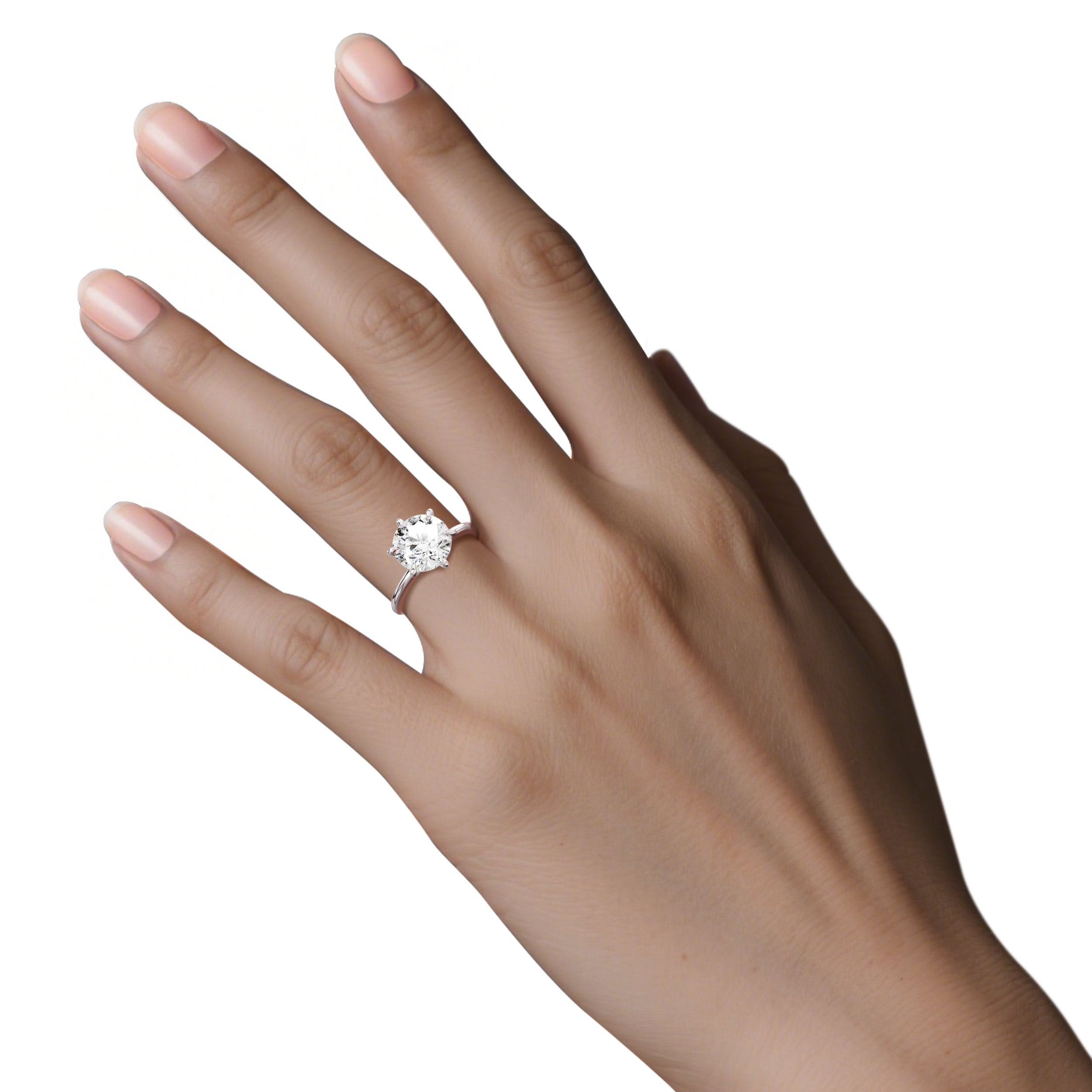
A Quick Reality Check at the Jewelry Counter
Here’s the blunt truth: most ring regrets start under bright lights. Lab created diamond wedding rings look dazzling in a showroom, but so do almost all stones when the LEDs are cranked to “wow.” Picture it—two coffees deep, your partner nodding, a salesperson polishing nonstop (classic). Recent shopper surveys show most couples research for weeks, yet many still rush the final pick in under an hour. And with lab-grown sales now a big slice of the bridal market, choice overload is real. So the question is simple: how do you compare options without second-guessing yourself later?

Start by cutting through the noise. Not all lab-grown diamonds are the same; HPHT and CVD growth methods can differ in strain patterns and fluorescence, which can affect sparkle under certain lights. The 4Cs still matter, but so do cut precision and facet symmetry—details you won’t always see in a quick glance. (Yes, light performance beats carat bragging.) — funny how that works, right? The good news: once you learn what to ignore, the rest falls into place. Let’s zoom in on a common twist that trips people up and then push forward to what’s next.
Rose Gold, Real Talk: The Hidden Snags You Don’t Hear About
Where do the surprises hide?
When people hunt for rose gold wedding rings, they often assume color is the only decision point. Look, it’s simpler than you think—but also sneakier. Rose gold gets its blush from copper in the alloy composition. More copper can mean a richer hue but also different hardness and wear behavior. That matters for prongs and micro-scratches over time. If Part 1’s showroom glow tempted you, here’s the technical reality: your stone’s cut quality (pavilion angle, polish grade) can look warmer in rose tones, which many love, yet the metal’s color contrast may also reveal symmetry issues faster than yellow gold. Certification helps—an IGI certificate or equivalent, plus laser inscription—so you can verify specs later, not just trust your memory under spotlights.

Hidden pain points? A few. Some rose gold formulas include trace nickel; most are nickel-safe, but check nickel release compliance if you have sensitive skin. Prong tension and work-hardening affect long-term security, especially for larger centers; softer alloys may need thicker prongs or more frequent checks. Copper-rich alloys can show patina sooner in coastal climates; periodic refinishing or gentle maintenance keeps the finish even. None of this is deal-breaking—it’s about matching expectations to reality. If your lifestyle is active, plan for routine inspections the way you’d rotate tires. And yes, choosing a higher-precision cut with stable fluorescence can keep your lab-grown diamond lively under office LEDs and evening candles alike. Now, let’s step ahead and compare what smarter tech and methods can do for you next.
Side-by-Side: Tech Today and the Near Future
What’s Next
Forward-looking choices start with materials and process. Lab-grown stones from refined CVD lines often show cleaner type IIa characteristics and tighter color control, while modern HPHT can deliver outstanding crystal growth with improved strain management. That’s the diamond side. On the metal side, vacuum-cast alloys reduce porosity, giving prongs better bite and more predictable durability. Some makers are exploring PVD barrier layers beneath plating to resist discoloration around the setting—subtle, but useful. If you like a classic look, a gold wedding rings band paired with a lab-grown center gives you long-term serviceability; repairs, resizing, and polishing stay straightforward. Compare that to mixed materials that look cool but complicate maintenance. Small choices compound—funny how that works, right?
So what should guide your final call? Think practical, then future-proof. Aim for a diamond with crisp facet symmetry, stable fluorescence, and documented growth method; pair it with a rose gold alloy that balances color and wear, not just Instagram glow. To keep it concrete, use three simple evaluation metrics: 1) Optical performance: prioritize cut grade, symmetry, and light return over carat alone; ask for images or scans if available. 2) Metallurgy match: confirm alloy details (copper percentage, hardness target, and prong design) relative to your lifestyle and ring size. 3) Service roadmap: ensure laser inscription and a clear certificate are on record; verify resizing, refinishing, and cleaning intervals so upkeep stays easy over five to ten years. Choose with those in mind and you’ll get a ring that looks brilliant on day one and behaves brilliantly in year five. For deeper specs and comparisons without the salesy spin, explore makers who publish their methods—like Vivre Brilliance.