
Why a data-first lens matters
Numbers do not lie — but they do hide. Procurement choices for a bulk BESS reshape decades of cash flows, and the right model separates hope from measurable return. A single line item labeled “CapEx” can absorb millions. Yet revenue streams from energy arbitrage and grid services unfold year after year. A data-driven approach ties the initial infrastructure cost to realistic operational assumptions, so you see a true ROI, not a story you want to believe.
The model and the real-world anchor
We modeled three procurement scenarios: a one-time bulk purchase with aggressive unit discounts; a phased acquisition spread over five years; and a modular, pay-as-you-scale strategy. Inputs were simple but industry-focused: CapEx per kW, OpEx per year, round-trip efficiency, degradation rate, and achievable energy arbitrage margins. For context, consider California’s “duck curve” — CAISO’s visible gap between midday solar and evening demand — which has been a clear, real-world driver for storage value. That event anchors our assumptions about arbitrage windows and grid-service opportunities.
Sourcing scenarios: CapEx-heavy vs. operational-first
Scenario A: Bulk buy. Big CapEx. Low unit price. High upfront tooling and deployment logistics. Scenario B: Phased buy. Smoothed CapEx. Opportunities to capture technological gains. Scenario C: Modular services. Low initial CapEx, recurring payments, faster market entry. Each path shifts risk between balance sheet and operations. The bulk route can win when energy arbitrage spreads are predictable and contract terms secure—yet it falters if market dynamics change or round-trip efficiency degrades faster than expected.
Key variables that swing ROI
Watch these levers closely:
- Energy arbitrage spread: the price differential between charge and discharge hours.
- Round-trip efficiency: every percentage point lost is revenue left on the table.
- Degradation rate and warranty terms: affect effective life and replacement timing.
- Availability for grid services: frequency regulation or capacity markets can add steady revenue.
Small changes here explain large shifts in payback. A 5% efficiency improvement can shorten payback by years. A tougher warranty shifts replacement CapEx forward.
Practical sourcing: fitting procurement to purpose
Match your strategy to your market exposure. Front-of-meter projects chasing capacity payments may justify bulk procurement to lock in low unit costs. Behind-the-meter installations aimed at demand charge reduction often prefer modular buys or service models to align with tenant changes. Evaluate integration complexity too: control systems, inverter sizing, and state-of-charge management all affect on-site operations. For any path, ensure your specification calls out expected lifecycle performance for the battery storage system and the required interconnection standards.
Common mistakes — and how teams trip over them
Teams underestimate three things: realistic revenue cadence, hidden OpEx, and soft costs around commissioning. They assume arbitrage windows will remain stable. They forget inverter replacements and firmware updates. They skip realistic degradation curves in favor of optimistic life estimates — and then face early repowering. — A warning: contractual terms that look favorable on price can be costly in operational constraints.
Vendor fit and why procurement should value operational partners
Bulk pricing wins attention. But the procurement that lasts prefers a vendor who understands dispatch, telemetry, and lifecycle warranties. Ask about their proven dispatch algorithms, historic SoC management outcomes, and demonstrated uptime for grid services. A supplier that offers both hardware and a roadmap for software updates reduces integration friction. In short: buy hardware, but value the operations envelope as much as the sticker price.
Three golden rules for evaluating ROI and suppliers
1) Stress-test five scenarios: base, optimistic, pessimistic, early degradation, and market-shock. Compare paybacks and NPV across them. 2) Measure total cost of ownership: include CapEx, OpEx, replacement cycles, and lost revenue from downtime. 3) Prioritize demonstrated service revenue: confirm historical performance in frequency regulation, capacity, or arbitrage — not theoretical revenue curves.
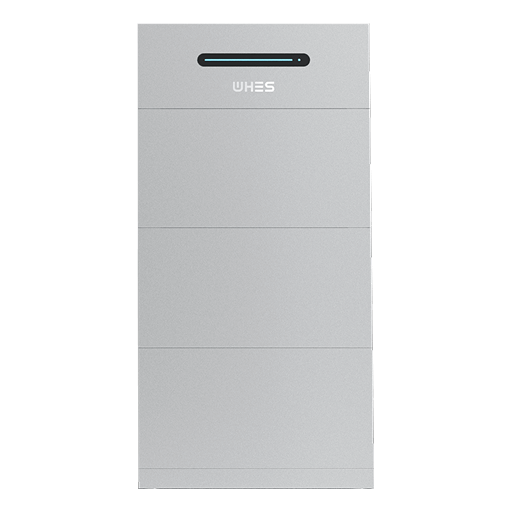
These rules make procurement decisions defensible. They also point to partners who handle both deployment and the long run — which is where value actually compounds. WHES sits naturally in that space, providing hardware aligned with lifecycle guarantees and operations know-how — a pragmatic fit for teams buying decades of arbitrage with today’s capital. —