
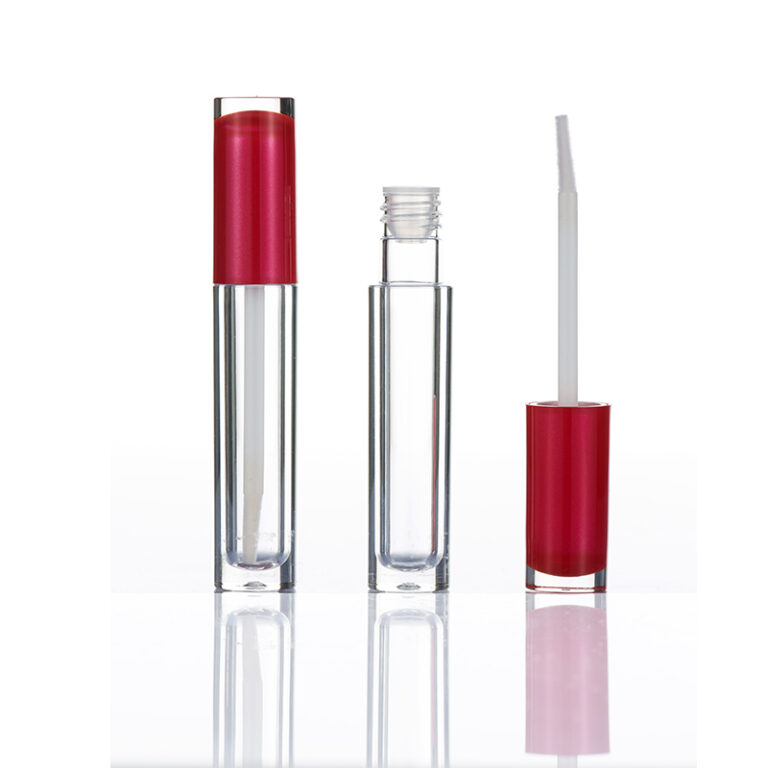
Introduction: A Quick Scene from the Lab
You’re prepping a new shade, and the sample tube splits during a drop test—again. A lip gloss tube manufacturer is on standby, asking for “final specs” before the week ends. Your ops dashboard shows 23% of last season’s returns came from leaky wands or warped caps. So you pause. Is the problem the formula, the tooling, or the way you pick vendors? And more importantly, what will change that in 2026 (and stick)? The West Coast take: keep it light, keep it honest, keep it practical—no fluff. We’re talking fit, flow, and finish, with numbers that matter. Why? Because the real risk hides in the details you can’t see, like tolerances and torque testing. Ready to shift how you choose, not just who you choose? Cool—let’s roll into the core friction.
Part 2: The Hidden Friction No One Budgets For
What are we missing?
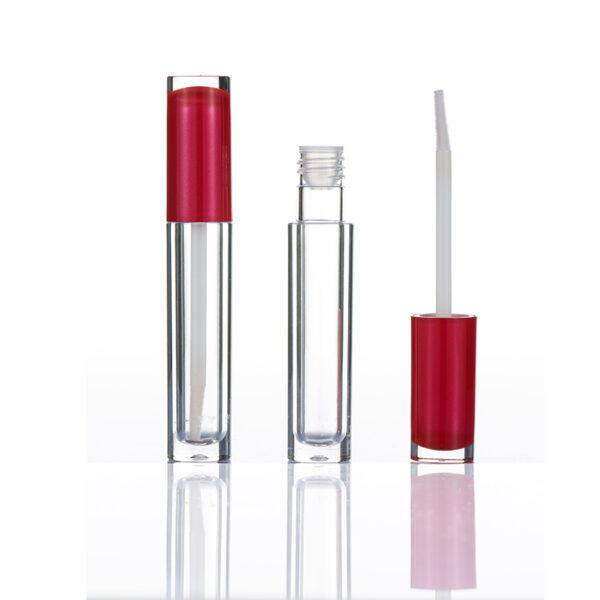
Here’s the direct version. Most teams brief a custom lip gloss tubes manufacturer with mood boards and rough CAD, then rush toward samples. But the real pain hits later: caps back out under vibration, wipers shred under cold-chain, and applicators swell when the fill’s viscosity shifts with season. Traditional fixes? Patchwork. Swap the wiper. Thicken the wall. Add a gasket. You spend weeks and rack up freight. The deeper issue is spec clarity. Without early numbers—seal force, thread pitch, material shrink rate—you can’t predict behavior after injection molding or co-extrusion. The result: pretty tubes that fail torque testing on line start. Look, it’s simpler than you think. Map three things early: formula chemistries, geometry under stress, and assembly variance. That’s the difference between a “nice sample” and a stable run.
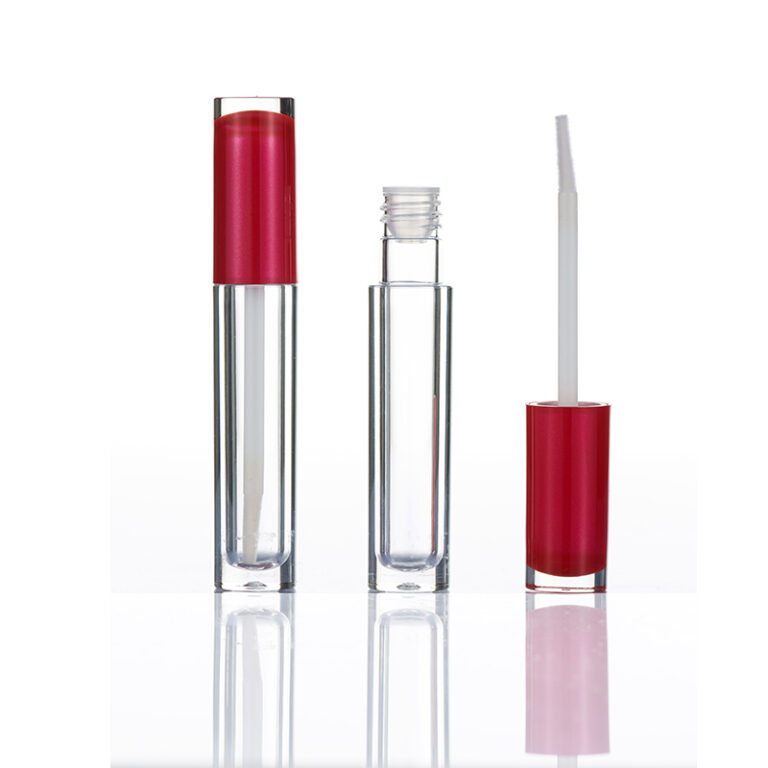
Hidden churn also comes from material choices you accept by default. You ask for “eco” and get PCR resin—great headline, but maybe not a match for actives with high solvent loads. Or you demand a luxury cap in anodized aluminum, then discover it galls when threads meet in humid storage—funny how that works, right? Two more blind spots: filler speed and cap torque on small-batch lines. If your partner can’t model torque curves or verify sealing integrity across multiple lots, you’re betting packaging on vibe. Better play: require documented tolerances, cap-off force ranges, and a plan for wiper wear. Small data, big calm.
Part 3: Comparative Lens on What’s Next
What’s Next
Let’s fast-forward with a technical lens. New tooling stacks are getting smarter. Think pre-DFM simulation that predicts warp before steel is cut, and AI vision on the molding cell that flags flash at sub-millimeter scale. The principle is simple: measure early, correct early. When a partner runs inline vision plus SPC, you get fewer out-of-spec neck finishes and cleaner thread engagement. Add material pairing libraries—PCR resin grades vetted against common solvents—and you avoid those late-stage surprises. In 2026, the edge won’t be price; it’ll be predictable performance per unit. A solid china lip gloss empty tubes manufacturer will also show how designs disassemble for MRF sorting (cap here, stem there) without breaking shelf appeal. That’s not buzz; it’s better end-of-life outcomes.
Comparison matters. One vendor offers glossy samples fast; another offers torque data, drop curves, and seal-leak rates across temperature bands. Which will protect your launch calendar? If you spec co-extrusion for barrier needs, can they show oxygen transmission rates for different layers? If you push PCR content, can they validate thread durability over 10 open-close cycles a day? Choose the shop that models trade-offs in plain English—semi-formal, not salesy—and gives you choice trees: cost, lead time, and risk. Pull this together and you reduce rework, stabilize fill rates, and cut air-freight “emergency” shipments—funny how savings show up after the drama drops.
Closing: Three Metrics to Choose with Confidence
Advisory wrap, short and usable. First, verification depth: ask for a sample plan that lists torque testing ranges, seal integrity at 5°C and 40°C, and dimensional tolerances on neck finish and wiper ID. If they can’t show data by lot, keep looking.
Second, material-proofing: require compatibility tables for PCR resin, PETG, and anodized aluminum components against your solvent profile and pigment load. Bonus if they report shrink rates from injection molding trials and provide co-extrusion layer options with target barrier numbers.
Third, process control: confirm inline vision, SPC reporting, and corrective action timing. You want evidence, not promises—cycle time stability, reject rates under 1.5%, and a clean plan for ramping MOQs without flipping tools. With these three, you can benchmark apples to apples and sleep better between pilot and rollout. When you’re ready to compare notes with a human who speaks design and factory at the same time, you’ll know where to look: NAVI Packaging.