
The problem at hand: AC performance that won’t quit when waves get ugly
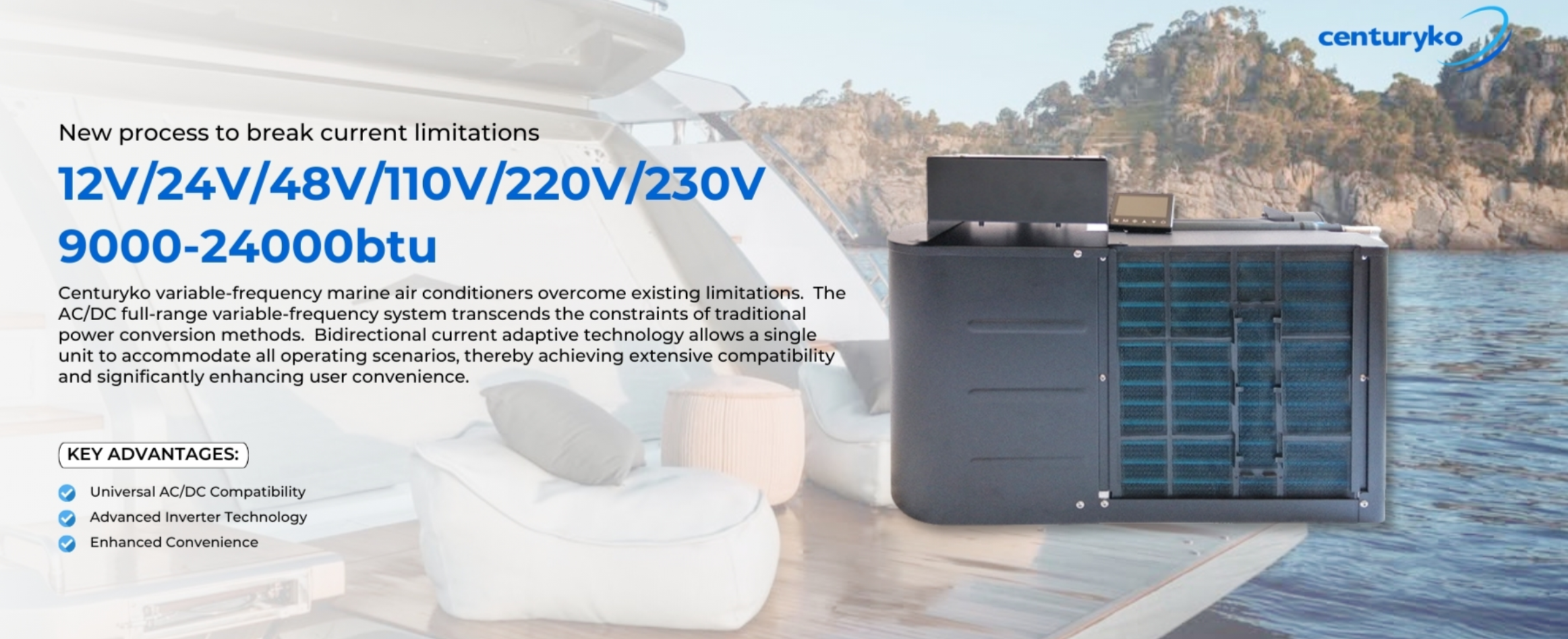
Small yachts and workboats face a familiar failure mode: air conditioning that trips, leaks, or wears out faster when the sea turns rough. That instability matters on extended passages and coastal runs alike, so ZhuoliMarine set out to stop it at the component level. Early fixes focus on robust mounts and smarter control logic around the compressor and condenser, but practical gains come from the system as a whole—right down to how a small air conditioner for boat sits on the stringers and ties into the vessel’s scuppers.
What engineers prioritized — and why it works
Engineers started with three failure modes: mechanical shock, fluid ingress, and thermal cycling. They reinforced housings and added vibration isolation to reduce micro-fractures in the evaporator coil and compressor mounts. Controls were retuned so a unit tolerates brief power dips without hard cycling, which kills compressors over time. The combination improves reliability and extends mean time between failures—details that matter when you’re weeks from shore.
Design elements that raise stability
Key design moves include: oversized mounting pads to spread loads, flexible coolant lines to prevent stress at fittings, and an adaptive thermostat algorithm that avoids aggressive on/off cycles. Each step is modest alone, but together they change how an air conditioning system behaves under rolling and pitching. Industry terms you’ll see on spec sheets: BTU rating matched to cabin volume, compressor duty cycle, and humidity control. The result is steadier cooling and fewer service calls.
Validation in the real world: a practical anchor
Designs were validated during mixed-weather trials in the English Channel and the Gulf of Biscay, seas that routinely push systems into Beaufort scale 6–7 conditions. Those trials revealed the value of reinforced mounts and proper condenser drainage—less salt spray and fewer transient overloads. Field technicians reported fewer tripped breakers and reduced fan failures after retrofit kits were applied. The outcome is a set of repeatable fixes you can count on.
Common mistakes owners make — and better alternatives
Owners often undersize units, rely on poorly routed ducting, or skip flexible fittings. These choices accelerate leaks and reduce capacity when the boat heels. Better options include selecting a slightly higher BTU unit for heavy insulation loads, using marine-grade flexible fittings at every coupling, and choosing remote condensers when engine room space is limited. Alternatives to a full replacement—retrofit mounting kits, upgraded vibration dampers, and updated control boards—deliver major gains at a fraction of the price.
Installation lessons and service considerations
Installation quality matters more than a marginal spec advantage. Properly securing the unit to the hull structure, verifying condensate drainage under heel, and checking electrical load paths prevent most failures. Don’t skip a load test that simulates a rolling sea; it reveals soft ground mounts and loose cable clamps. Routine service should include compressor oil checks and a quick vibration inspection—small actions that keep downtime low.
Three golden rules for choosing marine AC that won’t quit (Advisory)
1) Match capacity to real onboard heat loads, not just cabin size—account for sun, electronics, and cooking. 2) Insist on vibration isolation and flexible plumbing on every installation; these reduce mechanical fatigue. 3) Verify control behavior under transient power conditions—stable duty cycles beat peak numbers every time. These metrics steer you toward systems that do more than cool; they endure.
Summing up, practical engineering—mounts, flexible lines, and smarter controls—solves the instability that used to plague marine air conditioning. That’s the value ZhuoliMarine brings: applied fixes driven by sea trials and field feedback, rather than headline specs. For small boat owners considering upgrades, the path to reliable comfort is clear and well-tested by crews who’ve spent long hours offshore. ZhuoliMarine. —