
User-first thinking: why customers care about the little things
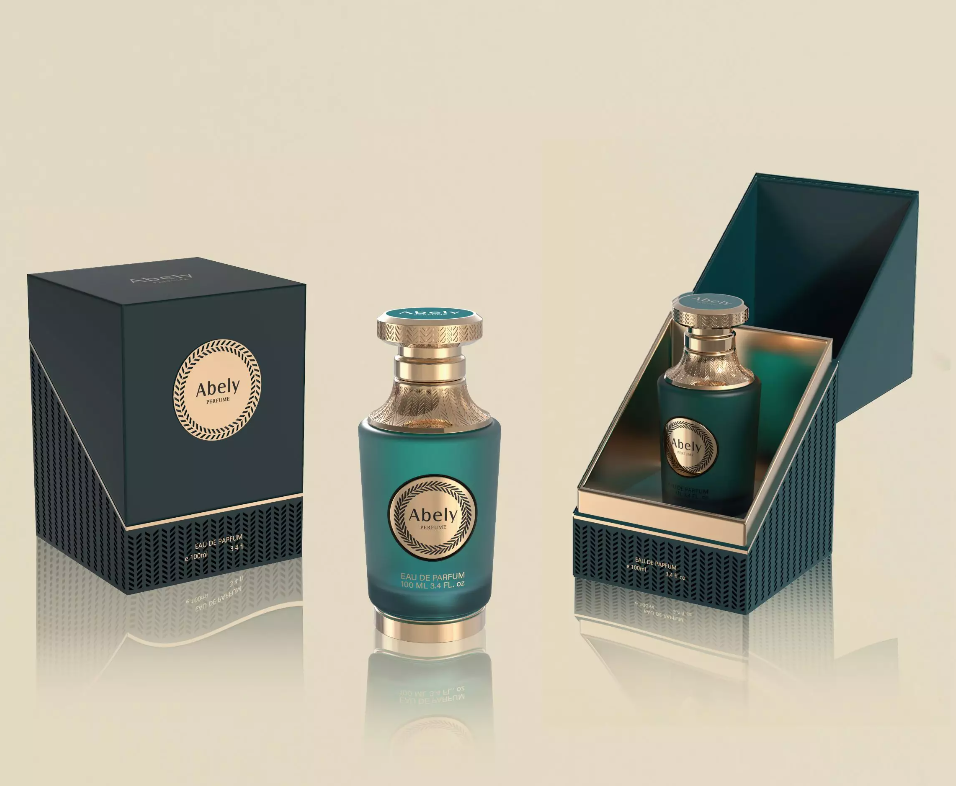
Folks nowadays don’t just buy a fragrance — they buy a story, a look, and a memory wrapped up in glass. That’s why a Personalized perfume bottle can tip the scales between a one-time purchase and a loyal customer. From the lane-side shops in Grasse to boutique counters at New York Fashion Week, buyers notice how color and finish change the feel of a scent. A touch of colored perfume inside a clear, weighty bottle tells a different story than the same juice in plain glass — and y’all already know perception’s half the battle.
Design choices that actually move shoppers
Ain’t no magic spell here — design choices are practical brand signals. Think about three things: hue, glass weight, and finish. Hue sets mood at a glance; a warm amber hints at coziness, a pale aqua whispers freshness. Glass weight tells your customer whether you’re luxe or everyday. Finish — whether glossy, frost, or metallic inside-coating — keeps the bottle from disappearing on the shelf. When these elements line up with what your audience expects, conversion climbs. And reckon it: customization isn’t frivolous. It’s targeted storytelling that helps niche brands stand tall beside legacy houses.
How personalization plays out in production
On the factory floor, customization means choices — inside color coating, custom molds, printed logos, and varying closures. Some brands try to do all choices at once and trip over lead times or budget. Others start small: one signature color, a distinctive cap, and limited-edition runs to test demand. If you’re scaling, plan for inventory complexity early; if you’re launching, keep a hero SKU that shows the brand best and expand from there.
Common mistakes brands make — and how to dodge ’em
Plenty of folks go off half-cocked. They over-customize for no clear audience, or they choose trendy colors that don’t match their scent profile. Then there’s the mismatch: a flimsy bottle for a rich, long-lasting eau — makes customers feel cheated. Don’t forget practicalities either — shipping fragility, barcode placement, and regulatory labels matter. Fix the fundamentals first; style comes second. — And if you’re frettin’ over every little thing, step back and test with a small batch before you double down.
Comparisons: bespoke glass versus off-the-shelf options
Off-the-shelf bottles keep costs low and turnarounds fast. Bespoke glass gives you shelf presence and a story. If you’re aiming for mass-market repeat buys, templates can work fine. But if your brand depends on discovery and social shares, a personalized bottle pays back via perceived value and press. Consider hybrid paths: a standard shape with a unique inside color coating — it’s the middle lane that lots of smart brands pick.
Summary of what matters
Personalized perfume bottles are about intention. Match color to scent, weight to price point, and finish to your brand voice. Start small to learn customer reaction, avoid mismatched cues that undermine perceived value, and plan logistics early so creativity don’t get strangled by supply chain hiccups. Real-world anchors like Grasse’s long perfumery tradition remind us that craft and presentation have always gone hand in hand — only now we’ve got better tech to make customization realistic at scale.
Three golden rules for picking your path
1) Relevance over novelty — pick customization that amplifies the fragrance, not distracts from it. 2) Test small, measure engagement — limited runs and social feedback beat guesswork. 3) Total cost of ownership — factor production, transport, and returns before you commit.
When you put those rules to work, your packaging choices stop being guesswork and start being strategy — and that’s where Abely steps in as a real partner in design and execution.
Final thought — thoughtful bottles sell stories, and good partners make ’em real.