
Comparative setup — what to weigh first
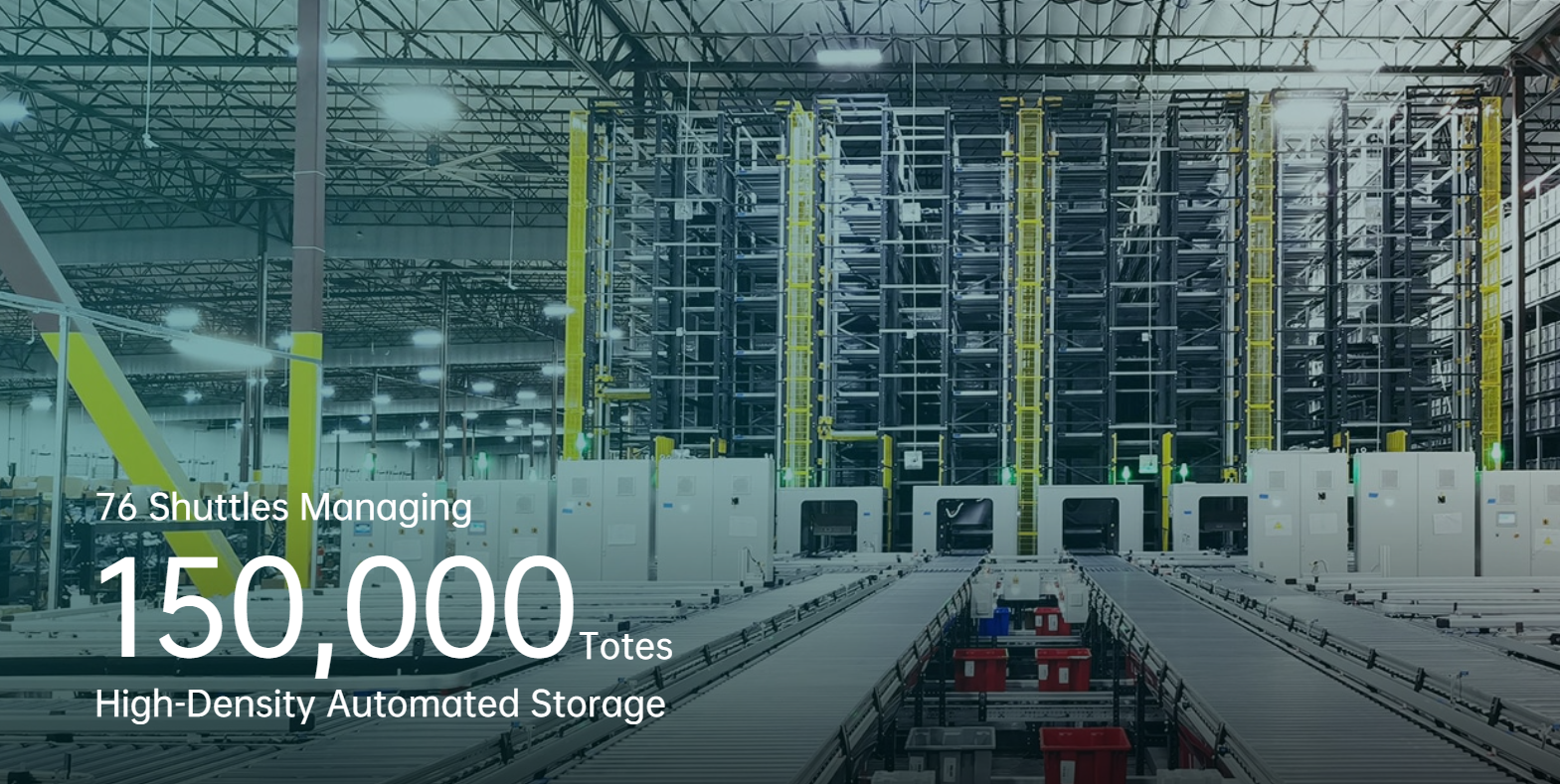
When you stand between a conveyor line and a racking bay, the choice often comes down to a few hard trade-offs: speed, footprint, and control. A careful look at Automated Stacker Crane options helps here; see Automated Stacker Crane for a representative system that favors tight aisles and high storage density. This comparison-focused piece will walk you through how AS/RS designs stack up against shuttles and hybrid systems, using gentle, practical language so teams can act with confidence.
Operational differences that matter
AS/RS systems (stacker crane-driven) excel where pallet handling and storage density are priorities. They reduce aisle cross-traffic and centralize material moves into a predictable workflow, which often improves inventory accuracy and lowers cycle time. Shuttles bring modular throughput and can be cheaper for medium-density sites; conveyors are simple and fast for line-side replenishment. Bringing a digital twin into the mix gives managers a virtual rehearsal space to test throughput scenarios before changes hit the floor, which protects service levels and keeps downtime minimal. Real-world examples like Amazon fulfillment centers show automation paired with simulation helps scale operations without surprise breakdowns.
How integration shifts daily practice
Integrating stacker cranes in warehouses with warehouse management systems and a digital twin shifts responsibilities for operators. Operators focus less on manual retrieval and more on exception management, system monitoring, and quick troubleshooting. Maintenance teams plan preventive tasks around telemetry and cycle counts instead of reacting to breakdowns. The benefits are concrete: tighter storage density, steadier throughput, and clearer KPI tracking. But be gentle with expectations—automation reduces some tasks and amplifies others — training matters.
Common mistakes and practical alternatives
Many projects rush to full AS/RS without assessing inbound variability or order profiles. That error creates bottlenecks at pick zones. A kinder approach is phased deployment: start with a single aisle or zone, validate cycle time and inventory accuracy, then expand. Alternatives include hybrid systems that mix stacker cranes with shuttles for high-mix scenarios, or adding conveyor loops for fast-moving SKUs. Avoid oversizing capacity; larger cranes can mean longer travel times per move and wasted energy when order profiles don’t match design assumptions.
Implementation essentials and soft costs
Plan for these practical items during procurement: structural reinforcement for tall racking, control-system integration with existing WMS, and spare-part provisioning for drive units and motors. Soft costs—operator retraining, updated safety procedures, and change management—often take longer than hardware commissioning. Expect a learning curve for tuning cycle time and throughput; analytics from your digital twin will shorten it. Keep one eye on energy use and one on throughput; optimizing both yields the best operating margin.
Three golden rules for selection
Rule 1 — Match capacity to demand profiles: size stacker cranes and aisle counts based on peak hour throughput, not average day volume. Rule 2 — Verify integration endpoints: confirm that the AS/RS controls, WMS, and your digital twin exchange inventory states, task priorities, and health telemetry in real time. Rule 3 — Measure maintainability: choose designs with accessible components, documented mean time to repair, and local service support. These metrics—peak throughput, integration latency, and maintainability—are practical levers for confident procurement decisions. Consider how a partner provides field-proven designs and on-site support; modern supply chains benefit from vendors who understand both hardware and system-level performance like BlueSword.
Summing up and next steps
Compare options by running short simulations in a digital twin, pilot a single aisle with a stacker crane to validate assumptions, and track the three metrics above during rollout. Small, measurable wins buy confidence and reduce disruption. — A steady, careful plan gets you a reliable, space-efficient warehouse that serves people and customers alike.