
Introduction: A Clear Choice in a Tangled Supply Chain
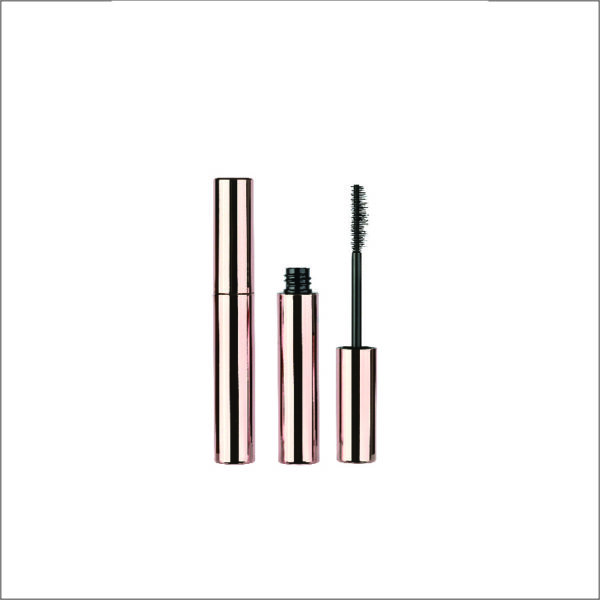
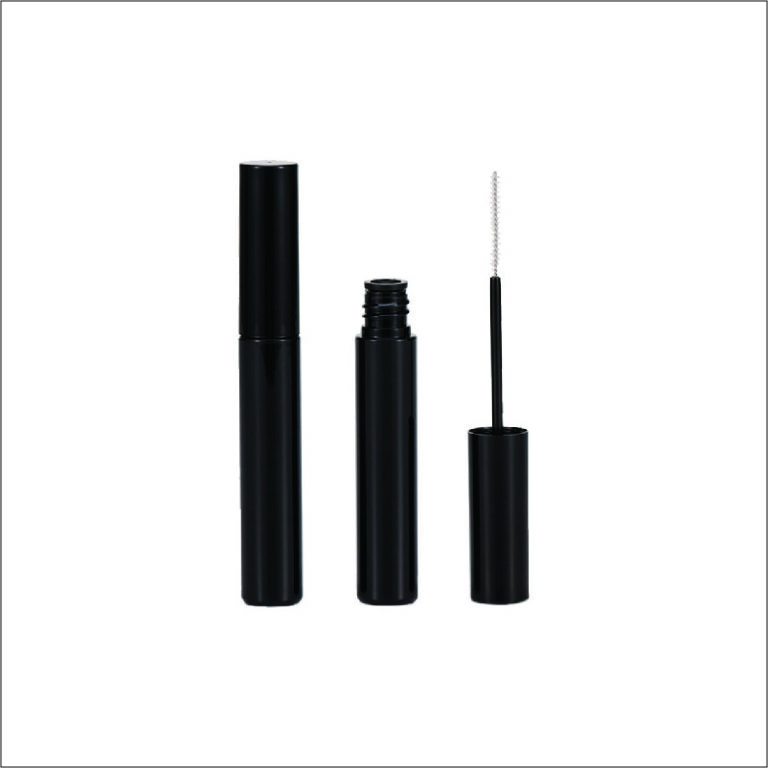
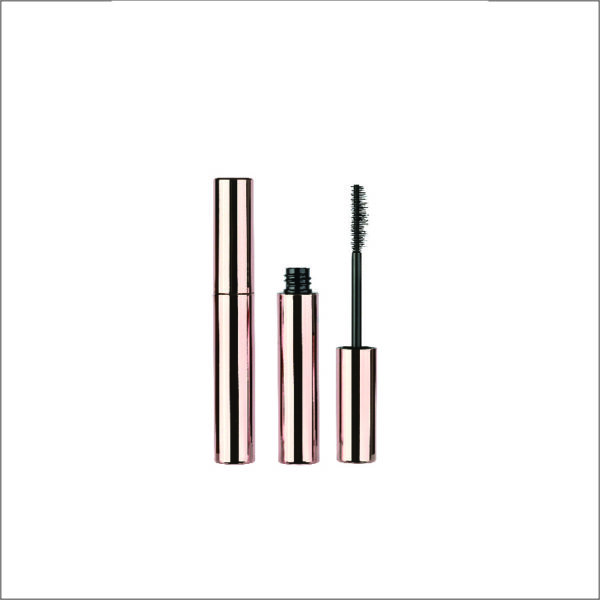
Here’s the hard truth: packaging waste starts long before your product ships. In many beauty teams, empty mascara tubes wholesale is the lever that changes the math. Picture a launch where wands come from one vendor, tubes from another, and caps from a third—then returns climb because the wiper scrapes too hard and the finish scuffs in transit. Partnering early with a seasoned mascara tube manufacturer shifts risk upstream, where fit, seal, and finish can be controlled (and measured). Teams see MOQs aligned to growth, lead times that don’t wobble by weeks, and scrap rates trimmed by better component fit and QC sampling. The planet wins too: consistent specs make PCR resin use more stable, which means fewer reworks and less overpack.
So, why hold a chain of mismatched parts together with emails and hope? If you want less waste, fewer returns, and a cleaner bill of materials, the model is clear. Let’s move from intuition to evidence—and map where the old approach breaks first.
Legacy Buying Habits vs. What a Manufacturer Fixes
Where Do Legacy Methods Fall Short?
When brands buy pieces from many places, small gaps become big problems. Injection molding tolerances drift across vendors, so a wand core from one line may not match a wiper from another. That mismatch drives clumping and leaks. Finishes add more risk: hot stamping looks different by batch, and cap torque can vary enough to loosen in shipping. If you sell at scale, those tiny deltas become costly returns. Look, it’s simpler than you think: one coordinated spec, one test plan, and one feedback loop cut the noise at the source.
A dedicated manufacturer ties design to process. They verify wiper system fit against the stem and neck finish, run solvent-resistance checks for ink and silkscreen, and hold SPC limits across cavities—funny how that works, right? They also plan for PCR resin from the start, not as a bolt-on. That keeps color matching and flow consistent, even as recycled content rises. The payoffs are direct: lower DPPM on leaks, fewer line stoppages, and steadier cap torque. And because QC sampling sits in one place, you catch issues before cartons stack up. The result isn’t magic; it’s disciplined integration—with less overpack and less rework balled up in the warehouse.
From Spec Sheets to Systems: What’s Changing Next
What’s Next
The next edge isn’t a prettier tube. It’s smarter control. Leading lines now use inline vision systems to check neck ID, stem straightness, and wiper lip wear in real time. Digital twins mirror cavity wear and cooling rates, so teams adjust injection parameters before flash or warp creeps in. Pair that with RFID lot tracing, and you can track a leaker back to a cavity and shift, not just a carton. A capable empty mascara tube supplier then layers PCR verification—near‑infrared checks or third‑party batch audits—so “30% PCR” means what it says. These tools don’t add steps; they remove the surprises. Yes, even for indie runs—surprise.
What does this mean for you? First, a single spec becomes a living system, not a PDF. Second, line trials focus on real failure modes—wiper friction, stem flex, and seal integrity—rather than guesswork. Third, sustainability targets stop being slogans when scrap drops and PCR resin stays stable across batches. To choose well, use three simple metrics: 1) Fit reliability: DPPM on wiper/cap/tube interface with trend charts over time. 2) Material truth: verified PCR percentage with test reports per lot. 3) Schedule stability: lead‑time variance within ±15%, from PO to ship, including tooling changeovers. Measure those, and your cost, waste, and customer complaints fall in step. For teams building durable operations, that’s the real advantage—one you can track, repeat, and improve with partners like NAVI Packaging.