
Why This Choice Matters Now
Bold move: You’re not just buying lights; you’re buying fewer headaches, fewer truck rolls, and steady uptime. A led lighting manufacturer china decision can decide how often your ops team is dealing with flicker, burnouts, or returns. Picture a fast-growing warehouse switching to LEDs across three sites—energy costs drop 30–50%, but the real win is fewer failures when thermal management is designed right (and the constant-current drivers aren’t the weakest link). Now, ask yourself: are you comparing price, or risk?
Here’s a stat that sticks: lighting still eats a notable chunk of facility energy, and poor product choice can shorten service life by years. Add in IP65 sealing, surge protection, and delivery windows—things get real fast. If you don’t vet driver topology, binning, and heat paths, you get dimming issues and warranty drama—funny how that works, right? You need a clear, apples-to-apples way to weigh build quality against cost and lead time. This is where a comparative mindset pays off (fast). Let’s stack the options and cut the noise—then move into what most buyers miss.
The Hidden Gaps Most Buyers Miss
Where do costs hide?
lighting companies in china often look similar on paper, but the gaps show up under load and over time. Technical reality: power factor correction, driver efficiency, and PCB copper weight shape power loss and heat. If the driver lacks proper surge protection devices (SPD), one thunderstorm later you’re logging tickets. If LEDs aren’t LM-80 qualified and the lifetime is “projected” without TM-21 methods, lumen maintenance can tank early. Look, it’s simpler than you think: request photometric testing files, cross-check bin codes, and verify thermal derating curves at 40–50°C ambient. If that data is fuzzy, your risk is sharp.
Traditional buying flows lean on glossy spec sheets and a single pilot. That hides pain points: unstable dimming protocols in mixed systems (DALI vs. 0–10V), loose tolerance drivers that flicker with line noise, and housings that trap heat. Another blind spot is assembly control—if the SMT lines are inconsistent, solder joints crack under vibration. Warranty terms also mask logistics reality—slow RMA loops can stall projects longer than the part lead time. The price tag feels low—until change orders and site labor stack up—funny how that works, right?
Comparing Tomorrow’s Options, Today
What’s Next
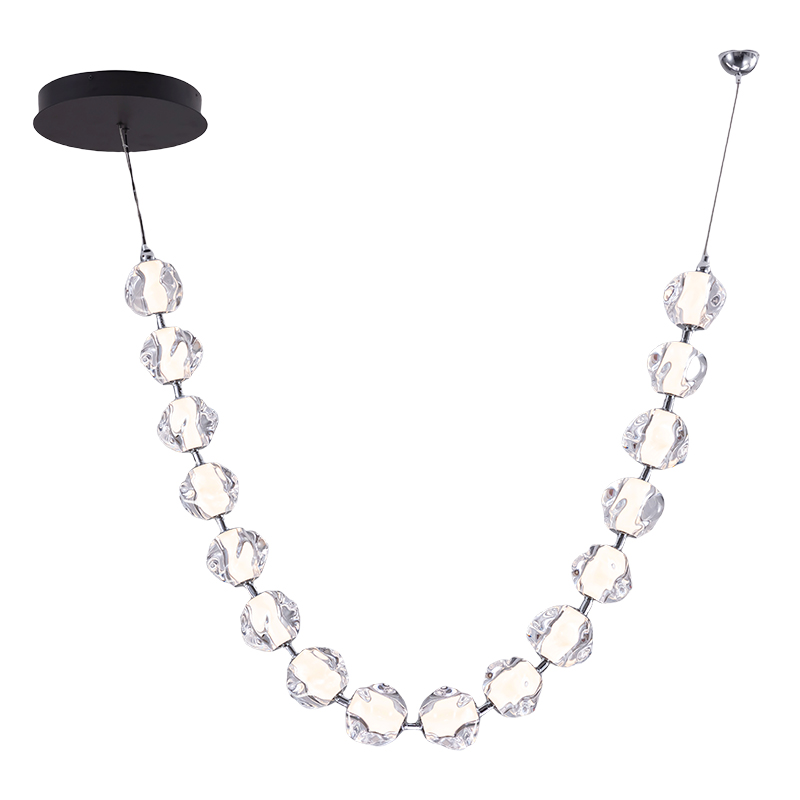
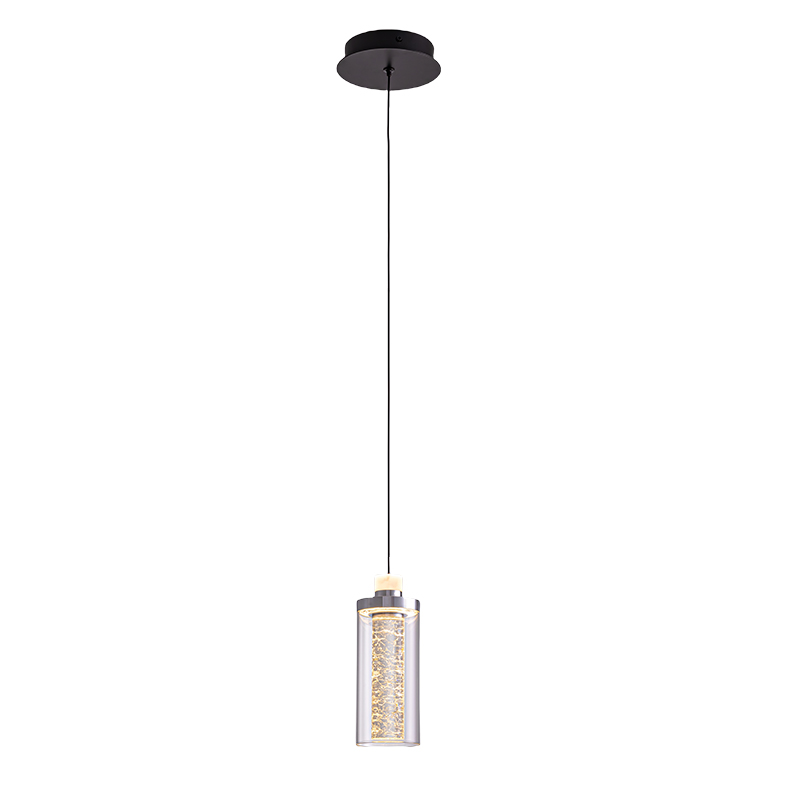
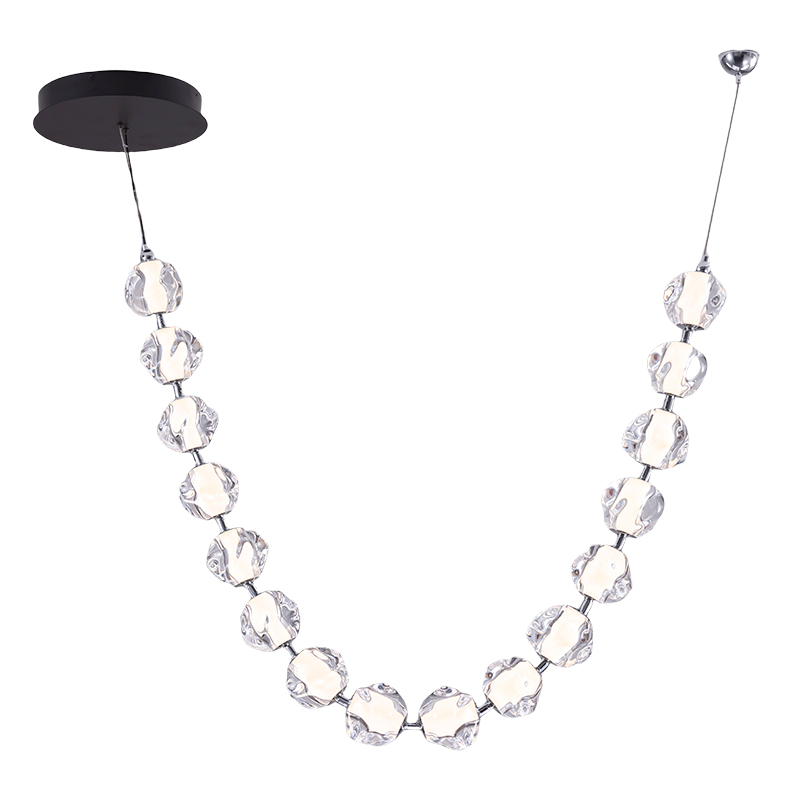
Here’s the forward-looking filter: judge by technology principles, not just quotes. Next-gen drivers use higher-efficiency power converters with better ripple control, improving compatibility with sensors and building controls. Smarter thermal paths (graphite sheets, fin geometry) hold junction temperatures lower for more stable color and CRI. And yes, connected controls matter—edge computing nodes at the fixture can log runtimes and failures, helping plan maintenance instead of reacting to it. When evaluating decorative lines like acrylic pendant light fixtures , the same rules apply: consistent optics, verified lumen output, and safe thermal envelopes so style doesn’t cook performance.
So, what should you carry forward from earlier points, without repeating them? First, verified data beats vague claims. Second, assembly control beats wishful thinking. Third, protection layers (electrical and environmental) beat luck. Advisory close—three evaluation metrics to keep you honest: 1) Proof stack: LM-80/TM-21, full photometric reports, and driver reliability data with MTBF; 2) System resilience: SPD ratings, IP/IK protection, and clear derating curves at real ambient temps; 3) Lifecycle economics: total cost including install, controls integration, and RMA speed with defined SLAs. Compare vendors against these, side by side—then the “cheapest” shifts to the “best value” (and your team sleeps better). If you want a clean benchmark to start that comparison, try a conversation with kinglong.