
Introduction
I remember stepping onto a shop floor where a single old lathe had outlived three newer machines — that scene stuck with me. CNC turn mill center manufacturers are listening to those shop-floor stories now, because they matter (and they show up in the numbers). Recent surveys suggest small-to-medium shops boost first-pass yield by up to 22% when they choose the right hybrid machine — so how do we get from anecdote to reliable choice?
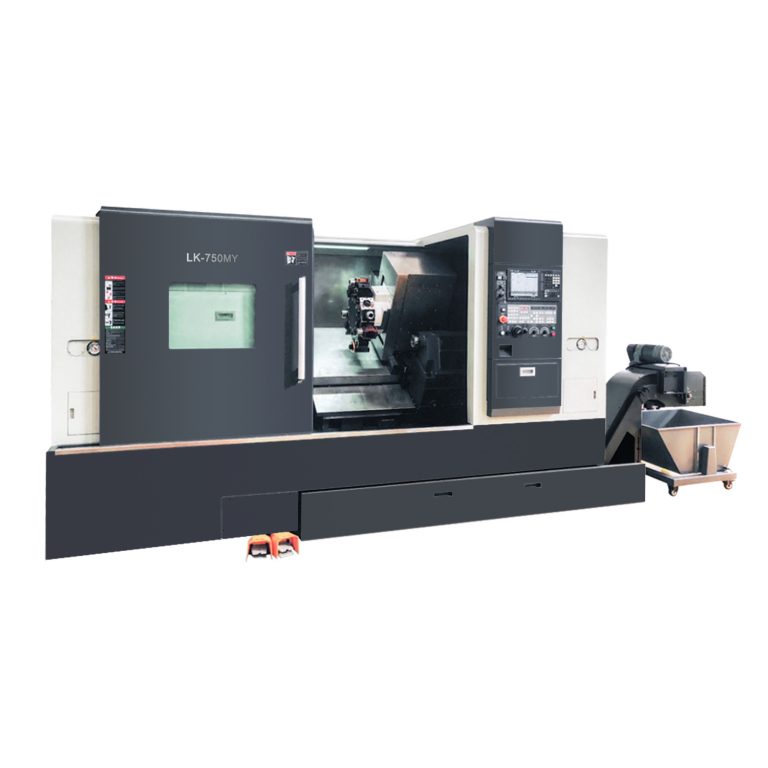
Let me paint a quick picture: a crowded workbench, a programmer juggling G-code, a setup that takes too long, and parts waiting. We all know the frustration. I’ll walk you through the key problems I see, then toward practical ways forward — and yes, we’ll keep it grounded. Next, I’ll dig into the real technical gaps that trip people up.
Deep Dive — Why traditional systems stumble: cnc lathe vs cnc mill
Why do these gaps persist?
When shops weigh cnc lathe vs cnc mill, the discussion often stays on paper: cycle time, footprint, cost. I prefer to look under the hood. Too many legacy cells rely on separate machines and manual transfers. That means extra setups, more fixturing, and variable alignment. For a simple part with live tooling and multiple ops, shifting between a lathe and a mill can easily add hours, and those hours cost more than people admit. Spindle speed mismatches, tool changer limits, and poor CAM handoffs become daily headaches. Look, it’s simpler than you think: fewer transfers equals fewer errors.
Technically, the weak links are predictable. Servo drives that aren’t tuned for simultaneous axis work produce chatter. Poorly integrated coolant systems lead to thermal growth and scrap. And even when a machine has the right hardware — turret, live tooling, or a strong spindle — the software chain (CAM post-processors, tool libraries) can undo the benefit. I’ve seen setups where the CAM outputs generic g-code that needs manual cleanup. — funny how that works, right? These are not subtle failures; they’re operational killers. We need to be honest: the machine alone doesn’t fix process gaps. The control, tooling strategy, and user training matter as much as the chassis and power converters.
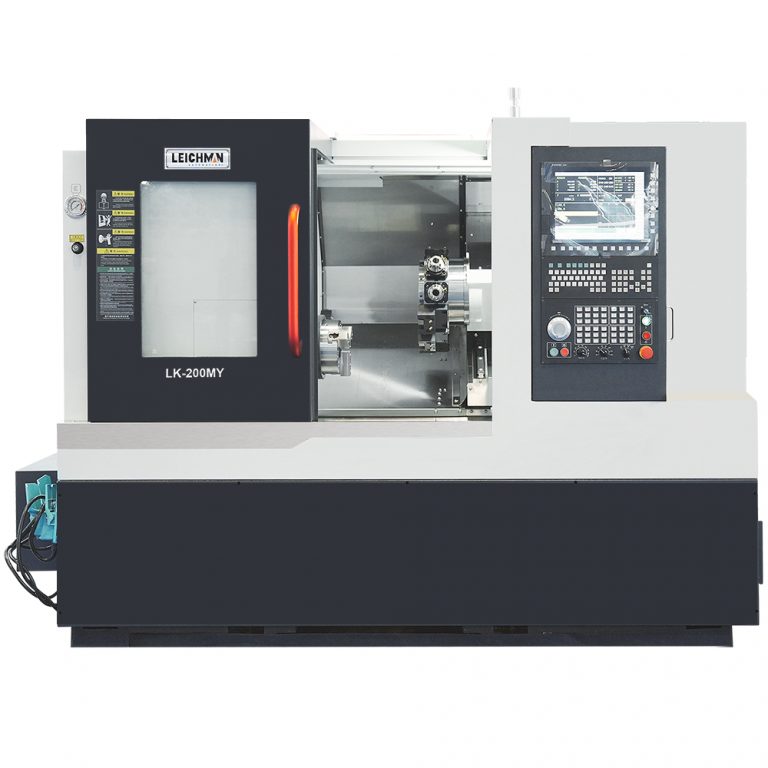
Forward Look — Principles and practical cases for the cnc mill turn center
What’s Next?
Now, I want to shift from problems to practical principles. If you’re considering a cnc mill turn center, prioritize machines that combine robust hardware with smart software. That means a spindle that keeps torque under load, a turret with predictable repeatability, and CAM software that understands multi-op sequences. I’ve worked with shops that cut lead times by half simply by moving to a single, well-integrated mill-turn cell. The gains come from removing handoffs and from tighter control over tool paths and coolant application.
Let me give you a short case: a family-run shop I advised had long runs of shaft components. They switched to a mill-turn center with a well-tuned control, and addressed their post-processor issues. The result: fewer setups, less scrap, and quicker changeovers. The team gained confidence — and productivity — in weeks, not months. There are technical ropes to learn: managing edge computing nodes for real-time telemetry, choosing the right tool changer sequence, and fine-tuning feed rates to match spindle dynamics. But, crucially, these are solvable. I’m convinced that with the right approach, shops can get both flexibility and repeatability — without adding undue complexity. — and that’s a relief for operators who just want machines that behave.
Practical Close: How I Evaluate Mill-Turn Options
Before I sign off, here are three metrics I use when I evaluate solutions (and recommend you use them, too):
1) Process Integration Score — Does the machine reduce part handling and integrate CAM to control without heavy manual edits? Check toolpath fidelity and post-processor support. 2) Dynamic Stability Index — Look at spindle torque curves, servo tuning options, and vibration control. Machines that maintain steady cutting forces reduce scrap. 3) Operability & Support — How intuitive is the control for operators? Is spare parts support local? Can the vendor help tune feeds and tooling? Those human elements save more time than a fancy spec sheet.
I’m not selling a dream here. I’m sharing what I’ve learnt in messy shops and quiet programming rooms. If you want to explore practical mill-turn paths with a partner who understands both hardware and the human side, check out Leichman. We’ll keep it honest, and we’ll make sure the machines do the work they promise.