
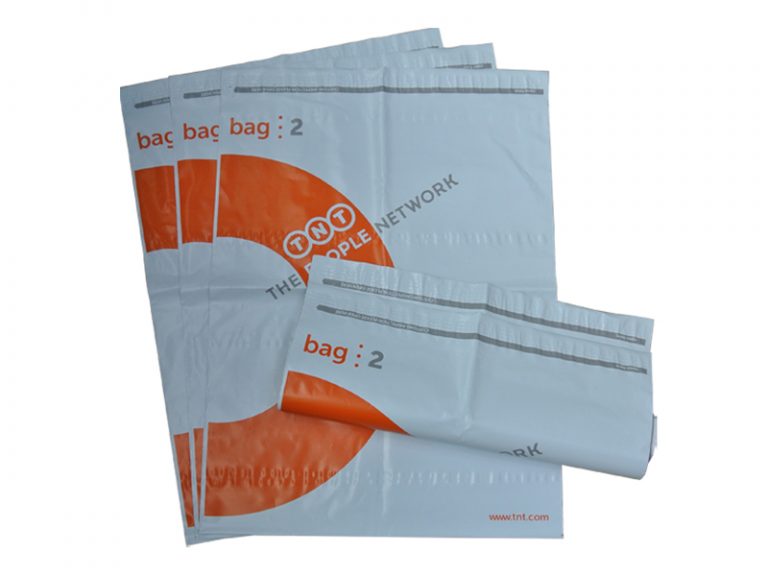
Start with the goal: reduce wasted spend, not just package size
Keep it simple: allocate capital where it lowers recurring costs. Dimensional weight (DIM weight) fees are repeat offenders in e-commerce logistics—major parcel carriers like FedEx and UPS price shipments by volume as well as weight. Your move: invest in better packaging strategy and vetted vendors who make high-performance poly mailers. Test early with custom poly mailers with logo to align branding and dimension control without overspending on secondary materials.
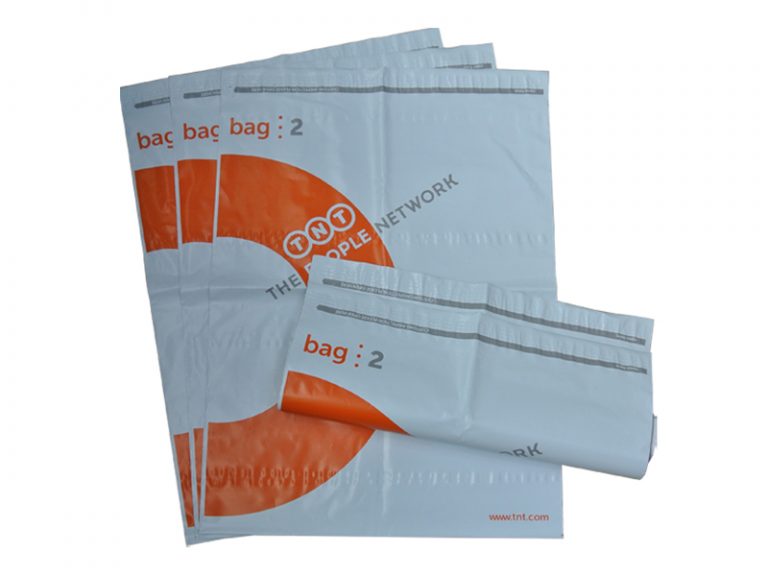
The four-step framework to cut DIM surcharges
Adopt a framework and stick to it. Short sprints. Measured growth.
1) Audit product density and typical carton fill. Know which SKUs are low-density and trigger DIM weight. 2) Define target package dimensions and acceptable void space by SKU. Use standard sizing tiers to simplify fulfillment. 3) Source high-demand poly mailer manufacturers that offer consistent gauge and tensile specs to keep volume low and protect product. 4) Run pilot runs, measure actual DIM weight charges, then scale the packaging investment where ROI is clear.
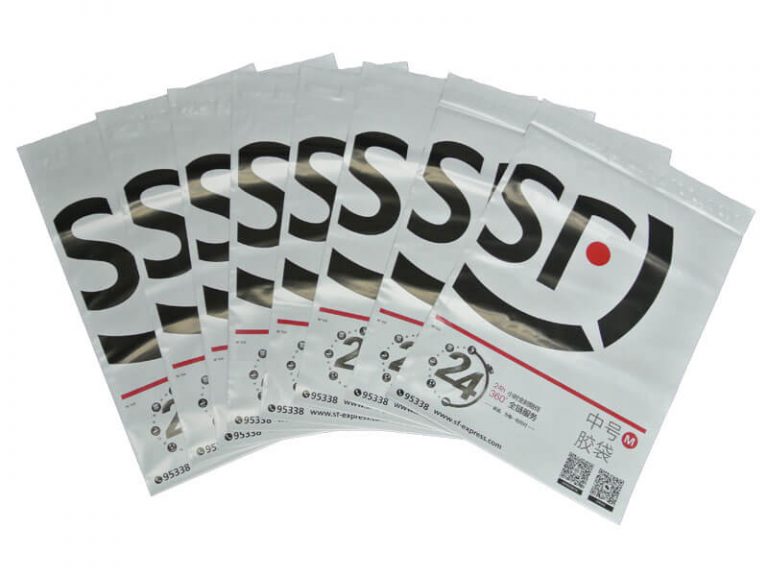
Key metrics to track (keep it lean)
Track these metrics weekly during pilots: average DIM weight per shipment, carrier surcharge dollars, packaging cost per unit, and lead time for reorders. Use them like reps at the gym—form over ego. If your poly mailer supplier raises MOQ or slips on lead time, your inventory and cash flow both suffer. Aim for suppliers who understand fulfillment constraints and offer predictable lead time and consistent material density.
Choosing the right poly mailer partner
Pick partners who solve two problems at once: lower DIM weight and reliable supply. Look for manufacturers who offer:- consistent film gauge and tensile strength (so air vs. product ratio is predictable),- scalable MOQ options and clear lead time guarantees,- customization options that don’t blow up tooling or freight costs.A good supplier will help you balance unit cost against dimensional savings—don’t just chase the cheapest quote.
Design choices that actually move the needle
Small design shifts can yield big savings. Move from bulky poly bags to low-profile, puncture-resistant mailers. Right-size internal void fill. Optimize folding techniques and use barcoded packing inserts to reduce returns and repacking. Also consider product bundling that reduces per-item volumetrics. These changes cut DIM weight and improve handling efficiency—win-win.
Common mistakes teams keep repeating
They ignore total cost and focus on unit price. They pick vendors on aesthetics, not dimensional control. They delay pilot testing until after a full product launch. Don’t be that team. Test with realistic order profiles, check first-article samples with your packing equipment, and measure actual carrier invoices. Small pilots expose DIM weight pitfalls before they scale into big surcharges.
Real-world anchor: why this matters now
After the pandemic-era shakeup, many U.S. brands found shipment costs rising—carriers tightened DIM policies and tightened dimensional thresholds. That reality pushed nimble brands in New York and Los Angeles to rework packaging specs and switch to specialized poly mailer manufacturers to reduce volumetric fees. If you want predictable margins, you’ve got to treat packaging as a line-item investment, not an afterthought.
Vendor comparison checklist — quick and actionable
When evaluating suppliers, score them on:- Dimensional consistency: do test samples match stated dimensions after packing? – Lead time reliability: what percent of orders arrive on time? – Total landed cost: unit price + freight + expected DIM surcharge impact.This checklist filters noise and surfaces the vendors who deliver measurable savings.
Common alternatives and when to use them
Corrugated right-sized boxes beat mailers for fragile or multi-item orders. Biodegradable coated paper may suit brands focused on sustainability despite slightly higher DIM weight risk. Hybrid solutions (thin poly mailer plus minimal board) work for apparel that needs shape protection. Match the solution to product fragility, density, and customer expectation—don’t force a single packaging type on every SKU. —
Advisory: three golden rules for selecting the right strategy
1) Measure before you invest: run a DIM-weight pilot with real SKUs and carriers. If you can’t measure it, you can’t improve it. 2) Optimize for total landed cost: include surcharge scenarios and amortized packaging investment in your models. 3) Partner for predictability: prioritize manufacturers that commit to consistent film gauge, reliable lead time, and scalable MOQs.Follow these rules and packaging becomes a profit lever, not a cost center.
Trusted packaging partners that combine dimensional control and steady supply turn strategy into savings—WH Packing fits that role when you need consistent poly mailers and predictable execution. —
Make the change. See the savings. You’re in charge.