
Introduction — A Garage, a Spreadsheet, and a Cold Brew
I was in a friend’s cramped garage the other day, watching him tinker with a vintage drill motor as if it were a puzzle piece that could talk back. The scene is familiar: one person, one set of tools, and the stubborn belief that going it alone is noble. As an observer, I’ve seen that mindset in boardrooms too — where an electric motor manufacturer clings to siloed design teams while product cycles stretch and costs creep up. Recent industry numbers show lead times rising by double digits and scrap rates still stubbornly high (yes, the metrics sting). So I keep asking: why do so many teams accept these trade-offs rather than teaming up to solve them? I’ll be blunt — collaboration isn’t just feel-good. It can cut iteration cycles and tame variability in torque delivery and efficiency. Yet, most folks don’t know where to start. In the next section, I’ll dig into the real cracks in the old ways and show where things quietly fall apart — and why that matters to your bottom line and your engineers’ sanity. Stay with me; it gets practical fast.
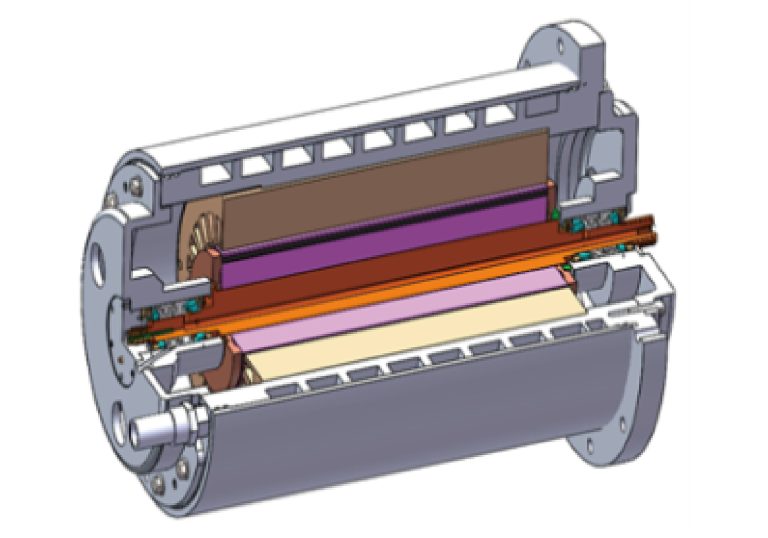
Where Traditional Fixes Fall Short in Electric Motor Manufacturing
When I dig into projects, the first thing I notice is the echo chamber. Teams tweak stator winding designs in isolation, then hand them over to testing, where rotor dynamics reveal new faults. That handoff costs time and morale. In short: the traditional sequential workflow creates late discovery of problems, which means rework. If you think a late design change is just a schedule blip, think again — it inflates costs and erodes trust. I’ve seen prototypes fail for reasons that could have been flagged earlier with simple cross-discipline reviews. Look, it’s simpler than you think: early collaboration exposes issues when fixes are cheap, not when they’re expensive.
Why does this keep happening?
Two big blind spots stand out. First, measurement and data sharing are weak. Test benches record torque curves and thermal cycles, but the details rarely travel back to design in a usable way. Second, decision rules are fuzzy — trade-offs between torque density and thermal limits get decided late. That’s a process problem, not a people problem. We need clearer feedback loops and shared models so that design, testing, and production speak the same language. Plus, small fixes in tooling or control algorithms can yield outsized gains if teams collaborate earlier — and I mean from day one. That approach trims iterations and boosts yield. — funny how that works, right?
New Principles for Faster, Cleaner Motor Manufacturing
Moving forward, I favor a set of practical principles that change how we work. First: shared digital models. If mechanical, thermal, and control teams work from a living model, errors show up sooner. Second: modular testing and rapid feedback. Short, focused test loops surface issues without wasting weeks. Third: smarter use of electronics — think adaptive power converters that protect prototypes while you test edge cases. These principles turn messy cycles into predictable rhythms. In our field, you see big wins when simulation and hands-on testing align early. I’ve watched teams halve their debug time just by synchronizing data formats and having a quick daily check-in. It’s not mystical; it’s disciplined.
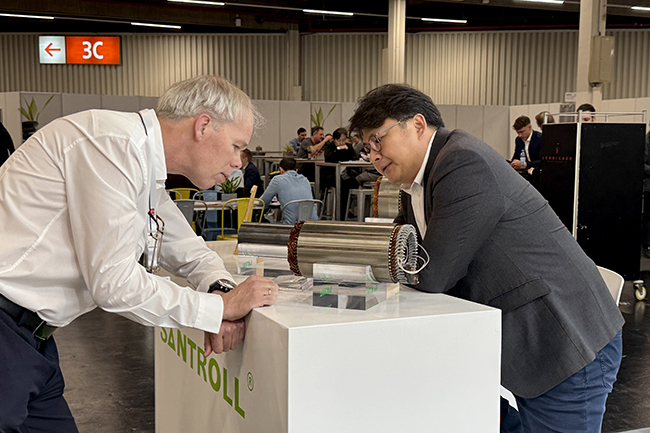
What’s next for motor teams?
Here’s the practical path I recommend: adopt shared CAD-simulation models, run staged validation steps, and integrate control electronics early. For motor manufacturing, that means fewer surprises on the assembly line and better first-pass yields. Also, consider introducing edge computing nodes on test rigs to collect richer data without slowing engineers down. These moves help you spot drift in performance and tighten quality. And yes — you’ll need to invest in workflow habits more than tools at first. Small cultural shifts deliver large returns. — the payoff is real.
Wrap-Up: How to Choose What Actually Works
I’ll leave you with three simple metrics I use when evaluating any solution for electric motor projects. First, iteration time: measure how long it takes to go from design change to validated result. Second, yield improvement: track first-pass acceptance on prototypes and production builds. Third, data fidelity: ask how much actionable data flows between teams each day. If a solution shortens iteration time, raises yield, and gives you reliable test data — that’s worth paying attention to. I’ve trusted these metrics in my work, and they’ve steered teams away from shiny distractions toward real gains. If you act on them, you’ll see measurable results in months, not years. For folks who want a concrete partner to put these ideas into practice, consider reaching out to Santroll. I believe in practical steps, honest metrics, and teams that actually talk to one another.